
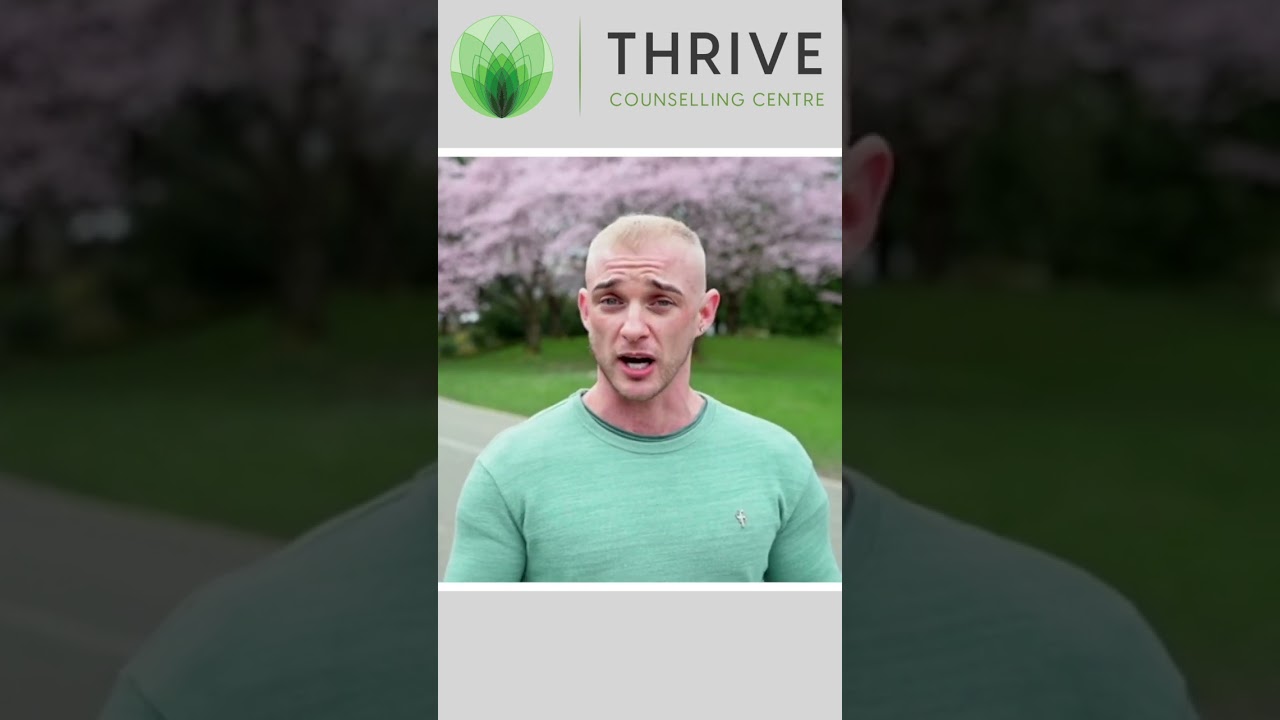
Colter Long
M.Ed., Registered Clinical Counsellor
Cognitive-Behaviour Therapist
Experiential Trauma Therapist
Only in the darkness can you see the stars.
MARTIN LUTHER KING JR.

Specialties
- Depression and anxiety
- Career advising and exploration
- LGBTQ2A+ issues
- Goal setting and coaching
- Suicide and crisis prevention
- Stress and burnout
- Substance use issues
- Psychedelic integration
Approaches
- Cognitive behavioural therapy
- Mindfulness-based therapy
- Trauma-informed care
- Person-centred therapy
- Life and career coaching
Formal Trainings
- Life Review
- Therapeutic Enactment
Qualifications
- Associates Degree in Psych (Langara)
- BA Psych (UBC)
- MED Counselling Psych (UBC)
Credentials and Licensing
- RCC #19394 of BCACC
Languages
- English
Do you ever feel overwhelmed by anxiety or freeze when you’re trying to speak? Are you distressed by thoughts that keep you up at night? Do you ever dread waking up to the same routine? Do you get angry and regret what you say?
Anxiety, worry, depression, or stress can prevent us from enjoying the life we desire. What we think and feel can shape our reality, how we navigate the world, and also influence how others respond to us. This is because our thoughts, emotions, and behaviours are all connected and are constantly creating feedback loops, both positive and negative.
Sometimes life throws unexpected curveballs that trigger a downward spiral that (at the time) can feel impossible to recover from. Although difficult events can be destabilizing, confusing, and painful they can also offer us the greatest opportunity for growth.
The good news is that because our body, heart, and mind are all connected we have the power to transform challenges into triumphs. This means that positive changes (even minor ones) made in one area can have a profound impact across all domains of your well-being.
With me, you will learn evidence-based tools for enhancing resilience with a biopsychosocial approach. We will collaboratively set and achieve goals for designing a fulfilling life. Whether we focus on your career, relationships, or health, you will develop practical skills for transforming your thoughts and habits for sustainable, lifelong progress in all domains of your life.
Why just survive when you can thrive?
COUNSELLING
Individual & Couples Counselling
Colter Long: Practical Counselling for Anxiety, Mood and Meaningful Goals
Colter Long is a Registered Clinical Counsellor at Thrive Downtown who blends cognitive behavioural therapy, mindfulness and life and career coaching to help you move from surviving to thriving. If worry keeps you awake, your routine feels heavy, or you are unsure where your career or life is heading, this guide explains how Colter works, who Colter supports, and how to take a first step.
On this page

Who Colter Long Works With
The introduction above asks some familiar questions. Do you freeze when you try to speak? Do you dread waking up to the same routine? Do you say things in anger and regret them later? Colter Long supports adults facing these struggles and more, in both individual and couples counselling.
Depression and anxiety
Anxiety can look like racing thoughts, a tight chest or freezing up in conversations. Depression can feel like heaviness, low motivation or a loss of pleasure. Both are common, both are understandable responses to what life has asked of you, and both can respond well to structured, supportive counselling.
Freezing up and speaking anxiety
Freezing when you try to speak is not a character flaw. It is often the nervous system’s freeze response, an old survival reaction that can switch on in meetings, classrooms or social situations. Counselling can help you recognize the early signs, settle your body, and gradually build confidence in the situations you avoid.
Anger and regret
The questions above also mention getting angry and regretting what you say. Anger is a normal emotion that often protects something important, but it can damage relationships when it comes out too fast. Work in this area might include:
- Spotting early body cues such as heat, clenched jaw or a racing heart
- Learning to pause or take a planned time-out before responding
- Identifying the hurt, fear or unmet need underneath the anger
- Practising assertive communication that is clear without being hurtful
- Repairing after conflict in a way that rebuilds trust
Stress and burnout
Long stretches of pressure without enough recovery can leave you exhausted, cynical and less effective at work or at home. Counselling helps you notice the patterns that keep you depleted and build sustainable routines.
Career advising and exploration
Whether you feel stuck in a job, are considering a change, or are just starting out, Colter offers structured career exploration alongside counselling, so the emotional side of career decisions gets attention too.
Goal setting and coaching
Some people come with a clear goal and want accountability. Others know they want something different but cannot yet name it. Colter’s coaching work helps you clarify goals and break them into realistic steps.
LGBTQ2A+ issues
Colter lists LGBTQ2A+ issues as a specialty and offers an affirming space to explore identity, relationships, coming out, family dynamics and the stress that can come with navigating a world that is not always welcoming. QMUNITY is a helpful BC community resource.
Substance use issues
If alcohol, cannabis or other substances have become a way to cope, counselling can explore what they are helping you manage and what else might help. Thrive also offers dedicated addiction counselling.
Suicide and crisis prevention
Colter’s specialties include suicide and crisis prevention. This is covered with care in its own section below, along with immediate support options.
Psychedelic integration
Integration sessions help you make sense of a past psychedelic experience and bring useful insights into daily life. Colter does not provide or administer substances. The legal status of psychedelics in Canada is evolving, so follow Canadian law and medical guidance. Learn about Thrive’s psychedelic integration team.
The Thought, Feeling and Behaviour Loop
A central idea on Colter’s page is that thoughts, emotions and behaviours are connected and constantly create feedback loops, both positive and negative. This is the heart of cognitive behavioural therapy, and it is also why small changes can ripple outward.
How a downward spiral can form
- A situation happens, such as a critical email from your manager.
- A thought follows: “I am going to lose my job.”
- An emotion rises: fear, shame or dread.
- A behaviour follows: avoiding the email, staying up late worrying, or snapping at someone at home.
- The behaviour creates new problems, which seem to confirm the original thought.
How an upward spiral can begin
The same loop works in reverse. Questioning the thought, calming the body or taking one small helpful action can shift the emotion, which makes the next helpful step a little easier. Over time, these small shifts can add up.
Common thinking traps
- Catastrophizing: jumping to the worst possible outcome.
- Mind reading: assuming you know what others think of you.
- All-or-nothing thinking: seeing things as total success or total failure.
- Should statements: rigid rules that leave little room for being human.
- Discounting the positive: dismissing evidence that things went well.
Try this: a simple thought record
A thought record is one of the most common CBT tools. You can try a basic version on paper or in a notes app:
- Write down the situation in one sentence.
- Note the automatic thought that popped up.
- Name the emotion and rate its intensity from 0 to 100.
- List evidence for and against the thought.
- Write a more balanced thought, then rate the emotion again.
Noticing these patterns is not about blaming yourself. Everyone’s mind does this at times, especially under stress.
Colter Long’s Therapy Approaches
Colter Long describes a collaborative, evidence-based style. Here is what each listed approach involves.
Cognitive behavioural therapy (CBT)
CBT is one of the most widely researched forms of talk therapy. Sessions are structured and goal oriented, and often include practical tools such as thought records, behavioural activation for low mood, and gradual exposure to feared situations for anxiety. Colter’s page lists a Cognitive-Behaviour Therapist designation.
Mindfulness-based therapy
Mindfulness-based approaches teach you to observe thoughts and sensations without getting swept away by them. Programs like mindfulness-based cognitive therapy were developed partly to help people who experience recurring depression, and many people find mindfulness eases stress and rumination.
Trauma-informed care
Trauma-informed care means sessions are built around safety, trust, choice and collaboration. You set the pace, and your reactions are understood in the context of what you have lived through.
Person-centred therapy
Person-centred therapy offers empathy, acceptance and genuineness, so you can explore freely without judgment. It provides the warm foundation beneath the more structured tools.
Life and career coaching
Coaching focuses on the future: clarifying what you want, identifying strengths, and building action plans. Paired with counselling, it lets you address both the practical steps and the emotional blocks that get in the way.
Formal trainings: Life Review and Therapeutic Enactment
Colter’s formal trainings include Life Review, a structured reflection on your life story that can help you find meaning, integrate difficult chapters and recognize strengths. Colter is also trained in Therapeutic Enactment, an experiential, action-based approach developed at the University of British Columbia that helps people work through significant experiences with support. This training connects to the Experiential Trauma Therapist title on Colter’s page.


A Biopsychosocial View of Wellbeing
Colter describes a biopsychosocial approach to resilience. This well-established model recognizes that wellbeing is shaped by three interacting areas, and that positive change in one can influence the others.
Biological
- Sleep routines and rest
- Movement and time outdoors
- Nutrition, energy and physical health
- Body awareness and nervous system regulation
Psychological
- Thought patterns and self-talk
- Emotional awareness and coping skills
- Past experiences and how they shape present reactions
- Sense of meaning and purpose
Social
- Relationships with partners, family and friends
- Work, school and community
- Culture, identity and belonging
- Access to support and resources
In sessions, you might start where change feels most doable, such as improving sleep or reconnecting with a friend, and notice how it affects the rest of your life.
Career Counselling and Goal Setting with Colter Long
Career questions often carry more emotion than people expect. Identity, family expectations, money worries and fear of failure can all show up. Career counselling with Colter Long addresses both the practical and the personal.
A typical exploration process
- Values: what matters most to you in work and life.
- Strengths and interests: what energizes you and where you shine.
- Options: researching paths, roles or training that fit.
- Obstacles: naming the fears or beliefs that hold you back.
- Action: setting specific, realistic goals and reviewing progress together.
Questions to reflect on about work
- When do I lose track of time because I am absorbed in what I am doing?
- What parts of my current role drain me, and which ones energize me?
- Whose expectations shaped the path I am on?
- If fear were not a factor, what would I explore next?
- What would a good enough next step look like, rather than a perfect one?
Making goals stick
- Break big goals into steps small enough to start this week.
- Plan ahead for likely obstacles with simple “if this, then that” responses.
- Track progress so small wins are visible.
- Treat setbacks as information, not proof of failure.
When Things Feel Dark: Crisis Support
The Martin Luther King Jr. quote on Colter’s page, “Only in the darkness can you see the stars”, speaks to the hope that can exist even in the hardest moments. Colter’s specialties include suicide and crisis prevention, and counselling can offer a steady, non-judgmental place to talk about thoughts of suicide openly.
If you need help right now
- Call or text 988, the Suicide Crisis Helpline, available 24/7. Visit 988.ca.
- In BC, call 1-800-SUICIDE (1-800-784-2433).
- For emotional support in BC, call 310-6789 (no area code needed).
- Call 911 or go to your nearest emergency department if you are in immediate danger.
If you are in crisis, call or text 988, or call 911 in an emergency. Counselling at Thrive is not an emergency service, but it can be part of longer-term support once you are safe.
What safety planning can involve
Many counsellors use a written safety plan, created together, that lists personal warning signs, coping strategies, people and places that help, professional contacts, and ways to make your surroundings safer. Having it written down can make it easier to use when things feel overwhelming.
Getting Started with Colter at Thrive
Thrive makes beginning counselling as straightforward as possible.
- Free 15 minute consult: book through the new client appointment page and ask anything you like.
- Choose Colter or get matched: request Colter by name, or use the contact form and the team will suggest a fit. Browse all counsellors on the Our Team page.
- First session: you and Colter talk about what brings you in and what you would like to be different.
- Collaborative goals: together you set goals and choose tools that suit you, then review them over time.
- Your setting: meet in person at 470 Granville St., steps from Granville SkyTrain Station, or online by secure video.
How this fits the Thrive Formula
Thrive’s work moves through Regulate, calming the nervous system; Reveal, understanding how you adapted to stress; and Reclaim, turning insight into practical change. Goal-focused coaching and CBT tools fit especially well with the Reclaim stage.
Fees and insurance
Current rates are shown when booking or on the contact page. Many extended health plans reimburse counselling with a Registered Clinical Counsellor, so it is worth checking your plan. The RCC designation is granted by the BC Association of Clinical Counsellors.
Frequently Asked Questions About Colter Long
What are Colter’s credentials?
Colter Long is a Registered Clinical Counsellor (RCC #19394 of BCACC) with an M.Ed. in Counselling Psychology and a BA in Psychology from UBC, plus an Associate Degree in Psychology from Langara.
Is counselling with Colter only about talking?
No. Colter’s approach includes practical, evidence-based tools you can use between sessions, such as thought records, mindfulness practices and goal plans.
Can Colter help with career decisions?
Yes. Career advising and exploration, along with life and career coaching, are part of Colter’s listed specialties and approaches.
Does Colter see couples?
Yes. Colter’s page lists both individual and couples counselling.
Is Colter LGBTQ2A+ affirming?
Colter lists LGBTQ2A+ issues as a specialty, and Thrive as a whole is an affirming centre that welcomes people of all identities.
How is coaching different from counselling?
Counselling often explores emotions, past experiences and patterns, while coaching focuses more on future goals and action steps. Colter’s approach can combine both, so you do not have to choose one or the other.
What happens in the first session?
The first session is mostly about getting to know you: what brings you in, what is working, what is not, and what you hope will change. You are welcome to share at your own pace.
Can I do sessions online?
Thrive offers in-person sessions downtown and online sessions by secure video. Ask about Colter’s current options during your free consult.
Start Thriving with Colter Long
Difficult events can be destabilizing, but they can also open the door to growth. You make sense, you are not broken, and you do not have to figure it out alone. Reach out through the Thrive contact page for a free 15 minute consult, or call 604-227-0297 to ask about working with Colter Long.