
Counselling in Mount Pleasant, Vancouver
Mount Pleasant is one of the most creative and diverse pockets of Vancouver, home to artists, founders, and a large neurodivergent community. We offer therapy that celebrates difference rather than trying to smooth it away.
Why People Come to Us
We support Mount Pleasant clients with anxiety, identity, relationships, creative pressure, and the everyday realities of ADHD and autism. Our therapists include specialists in neurodiversity who help you understand how your mind works and build a life that fits it, instead of forcing yourself into a mould that never suited you. Main Street is a short trip from our Granville Street rooms, so face to face sessions are convenient, and online is always available for lower-energy days.
Get Started
Call 604-227-0297 or book a free consult and we will match you with a therapist who fits.
Popular With Mount Pleasant Clients
ADHD and autism counselling, neurodiversity affirming therapy, LGBTQ affirming care, and support for creative and identity questions.
Related Pages
Neurodiversity Counselling. ADHD Counselling. In-Person Counselling in Vancouver.
Counselling Mount Pleasant: Therapy That Makes Room for Difference
Counselling Mount Pleasant residents choose should fit the way your mind, body and life actually work, not an idea of how they are supposed to work. This guide is for the artists, founders, service workers, students, parents and neighbours who make this part of Vancouver what it is. It covers neurodiversity-affirming care, identity and belonging, creative and financial pressure, getting to our downtown rooms, online sessions on low-energy days, and what starting therapy at Thrive actually involves.
On this page
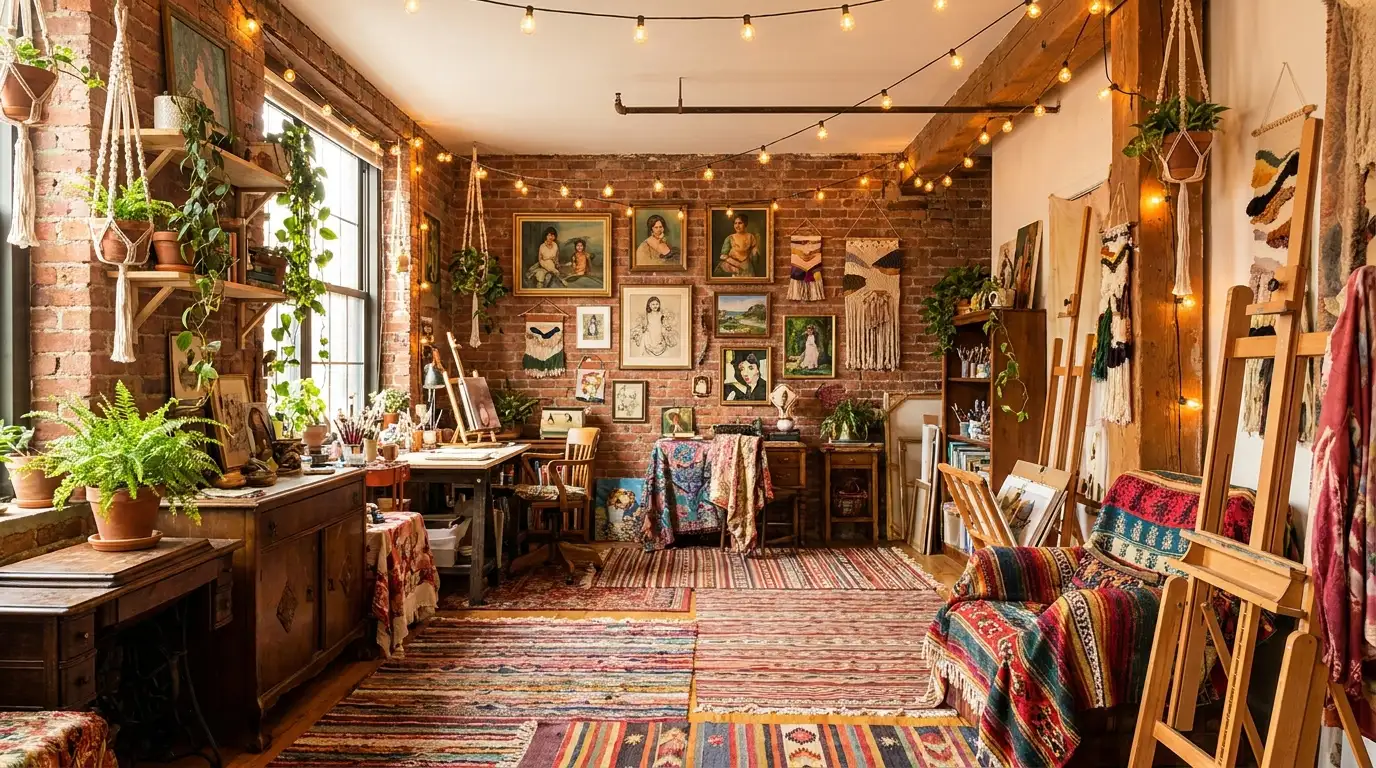
Our starting point is the message at the heart of Thrive: you make sense, you are not broken, and connection heals. For people who have spent years being told they are too much, too scattered or too different, that message can feel unfamiliar at first. It is still true.
Life Around Main Street
Mount Pleasant is one of Vancouver’s oldest neighbourhoods, climbing south from the False Creek Flats with Main Street as its spine. Heritage houses sit beside new rental buildings, tech offices share blocks with vintage shops, and colourful murals cover walls throughout the area. It is lively, creative and, for many residents, expensive and fast-moving.
Places that shape the neighbourhood
- Main Street: independent shops, restaurants and music venues, busiest around Broadway and further south toward the teens and twenties.
- Brewery Creek: the historic name for the area around the old creek bed, now known again for its cluster of craft breweries.
- Main and Broadway: the crossroads where Kingsway begins, and a transit hub for the whole east side of the city.
- Guelph Park: a small green space many locals know by its playful nickname, Dude Chilling Park.
- Great Northern Way: home to Emily Carr University of Art and Design and a growing mix of studios and tech companies.
- Mount Pleasant Community Centre: near Main Street and Kingsway, with programs, a library branch and gathering space.
Neurodiversity-Affirming Counselling Mount Pleasant Clients Ask For
Neurodiversity-affirming therapy starts from the view that ADHD, autism and other neurotypes are natural variations in how people think, sense and relate. The goal is not to make you look more neurotypical. It is to understand how your brain works, reduce the harm caused by years of masking or pushing through, and build a life with more fit and less friction.
What affirming care can include
- Learning your own patterns of attention, energy, sensory input and recovery.
- Untangling shame that grew from being misunderstood at school, work or home.
- Designing routines and supports that work with your brain, not against it.
- Exploring what unmasking might look like, safely and at your own pace.
- Supporting relationships where partners or family members think differently from one another.
Late discovery and self-identification
Many adults only begin to wonder about ADHD or autism in their twenties, thirties or later, often after a child’s assessment or a burnout that did not make sense. Counselling can give you space to process what this new understanding means, whether or not you pursue a formal assessment. Your therapist can talk with you about what an assessment involves and whether it might be useful for you.
Making sessions work for you
You are welcome to ask your therapist about adjustments, such as taking movement breaks, using a fidget, keeping lights lower or following a more structured agenda. Online sessions let you set up your own sensory environment. Our neurodiversity counselling and ADHD counselling pages explain more about how our team approaches this work.
Supporting a neurodivergent family member
Some Mount Pleasant parents and partners reach out because someone they love has recently been identified as ADHD or autistic. Counselling can help you understand what this means for daily life, let go of old frustrations and find ways of supporting each other that respect everyone’s needs, including your own.
Identity, Queer Life and Belonging
Mount Pleasant has long been home to people building lives outside of scripts they were handed. Thrive is LGBTQIA+ affirming, and our team is diverse in identities, values, world origins and backgrounds. You should never have to educate your therapist about who you are before you can get help.
- Exploring gender identity, sexuality or relationship structures with curiosity rather than judgement.
- Working through family rejection, distance or complicated reconnection.
- Navigating dating, community and chosen family in a city that can feel both open and lonely.
- Healing from experiences of discrimination, at work, in health care or in public.
For community connection beyond therapy, QMUNITY is BC’s queer, trans and Two-Spirit resource centre, with programs and support across Metro Vancouver.
Creative Work, Startups and Irregular Income
A lot of Mount Pleasant runs on passion projects, contracts and early-stage companies. That energy is part of the neighbourhood’s charm, and it can also wear people down.
Common pressures we hear about
- Creative blocks: when the thing you love becomes the thing you must produce, inspiration can dry up.
- Founder stress: carrying payroll, investors and a vision can leave little room for your own needs.
- Gig and shift work: unpredictable hours make routines, sleep and relationships harder to protect.
- Housing costs: rent pressure and fear of losing a home can sit underneath everything else.
- Comparison: living among talented people can make your own progress feel slow.
Burnout signs worth noticing
- Projects you once loved now bring dread or numbness.
- Rest does not restore you, even after a weekend or a holiday.
- Small tasks, like replying to an email, feel impossible.
- You feel irritable with clients, collaborators or the people closest to you.
- Your body is sending signals, such as headaches, poor sleep or getting sick more often.
Therapy can help you separate your worth from your output, set boundaries around work that has no natural end, and reconnect with why you started. If money is tight, our lower-cost option is described further down this page.
Anxiety, Low Mood and Relationships in Mount Pleasant
Not everyone who contacts us from Mount Pleasant is neurodivergent, queer or creative, and you do not need a particular label to belong here. Many people simply want help with the ordinary, heavy things that life brings.
- Anxiety: racing thoughts, tight chest, avoidance and the exhausting habit of planning for every worst case.
- Low mood: feeling flat, disconnected or stuck, even when life looks full from the outside.
- Relationships: conflict, distance, a breakup or the challenge of blending households in small Mount Pleasant apartments.
- Substance use: questions about drinking, cannabis or other substances, explored without judgement; see our addiction counselling page.
- Grief and change: losing someone, moving away from family or watching the neighbourhood shift around you.
Small supports between sessions
- Take a slow walk along the quieter residential streets east of Main Street, noticing gardens, murals and trees rather than your phone.
- Try body doubling: work beside a friend in a Mount Pleasant café or library so tasks feel less lonely.
- Build a tiny evening routine that signals the end of the workday, especially if you work from home.
- Keep one weekly plan with someone you trust, even a short coffee, to protect connection when life is busy.


Getting to Thrive From Mount Pleasant
Our centre is at 470 Granville Street, Suites 518 and 901, steps from Granville SkyTrain Station. From most of Mount Pleasant, you can be downtown quickly.
- Expo Line: from Main Street-Science World Station at the north end of the neighbourhood, ride two stops west to Granville Station.
- Canada Line: from Olympic Village or Broadway-City Hall Station, ride north to Vancouver City Centre or Waterfront, then walk a few blocks.
- Bus: routes along Main Street and Broadway connect with SkyTrain and downtown; check the TransLink trip planner for current options.
- Cycling: ride north to the False Creek seawall and follow it into downtown.
What to expect when you arrive
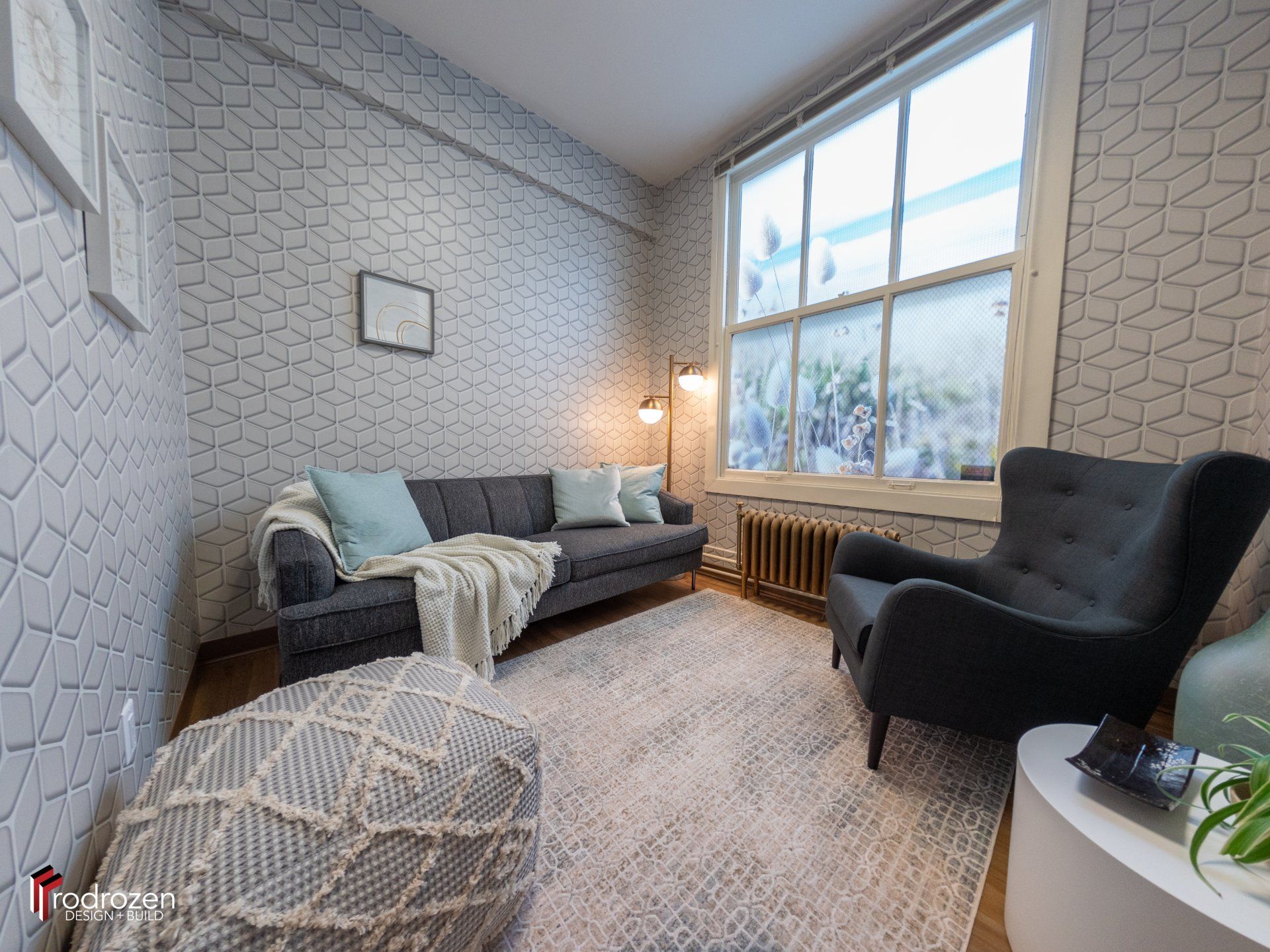
Our therapy rooms are spacious, and each one has its own character. If new buildings make you anxious, it can help to know the details in advance: your therapist will meet you in Suite 518 or Suite 901, and you are welcome to arrive a few minutes early to settle. Mount Pleasant clients who find new spaces or waiting areas stressful can mention it ahead of time, and your therapist can talk with you about what would make arriving easier, such as meeting you at the door or starting with a few quiet minutes.
After hours, use buzzer #0518 or #0901 at the front entrance. If the trip feels like too much on a given day, you can switch to video.
Low-Energy Days and Online Sessions
Some weeks you have the capacity to get dressed, travel and sit in a new room. Other weeks, getting to an appointment would use up the energy you need for the session itself. Thrive offers online counselling by secure Zoom video, and you can mix it with in-person sessions as your needs change.
- Join from your couch, your bed or wherever you feel regulated.
- Keep a blanket, water, a snack or a comfort object within reach.
- Let your therapist know if eye contact through a camera is tiring, so you can find a setup that works.
- Plan a gentle landing afterward, like a short walk or quiet time, rather than jumping straight into work.
What Happens When You Reach Out to Thrive
- A free 15 minute consult. Book online through our appointment page or call 604-227-0297. You can share as much or as little as you like.
- Finding your therapist. We can match you with someone who fits your needs, or you can browse our team and choose for yourself.
- A first session at your pace. Your therapist will ask about your life and what brought you in, and you can ask about their approach, training and experience with neurodivergent or queer clients.
- A plan you help shape. Together you decide on focus, format and frequency, and you revisit it as things shift.
The Thrive Formula in plain language
- Regulate: feel safer and more settled in your body, so you are not stuck in fight, flight or shutdown.
- Reveal: understand how you adapted to stress, masking or trauma, using approaches like EMDR, Internal Family Systems, Emotion-Focused Therapy and CBT.
- Reclaim: act from who you actually are, with clearer needs and boundaries that stick.
Finding a Therapist Who Gets It
Feeling understood is central to good therapy, and it is fair to be selective. Our therapists practise together and support one another as a group, so you benefit from a team rather than a single viewpoint.
- Ask whether they describe their work as neurodiversity-affirming or LGBTQIA+ affirming, and what that means to them.
- Notice whether you feel rushed or pathologized in your consult.
- Consider whether you want someone who shares part of your identity or background.
- Think about structure: do you prefer open-ended exploration, or sessions with clear goals and tools?
It is okay if the first fit is not the right one. Tell us, and we can talk about other therapists on the team.
Fees, Benefits and Lower-Cost Options
Fees vary by service, so we do not list prices on this page. Current rates are shown when you book and on our contact page.
- Extended health plans: many plans reimburse counselling by registered counsellors, so check which designations your plan covers.
- Self-employed and contract workers: if you do not have workplace benefits, ask about our lower-cost option during your consult.
- Low-cost counselling: our low-cost counselling program offers sessions with intern counsellors under clinical supervision.
Mount Pleasant and Vancouver Resources
- Vancouver Coastal Health: the regional health authority provides mental health and substance use services; learn more at vch.ca.
- City of Vancouver: community centre programs, parks and neighbourhood services are listed at vancouver.ca.
- ADHD information: CADDAC offers Canadian ADHD education and advocacy resources.
- Autism support: Autism BC offers community programs and information for autistic people and families.
- BC mental health support line: call 310-6789, with no area code needed.
If you are in crisis, call or text 988, or call 911 in an emergency.
Counselling Mount Pleasant Questions
Do I need an ADHD or autism diagnosis to work with a neurodiversity-affirming therapist?
No. You are welcome whether you have a formal diagnosis, are self-identified or are simply curious about how your mind works.
Can I bring my partner if we are both neurodivergent, or only one of us is?
Yes. Couples counselling can help partners understand different ways of processing, communicating and handling stress. See our couples counselling page for details.
What if I have had a bad experience with therapy before?
That is understandable, and you can say so in your consult. Your therapist can listen to what did not work and shape your sessions differently.
Is it okay to cancel on a hard day?
Ask about our cancellation policy when you book. On hard days, switching to an online session is often an option worth considering instead.
Can I see a therapist in person and still keep things flexible?
Yes. Many Mount Pleasant clients book in person when they are heading downtown anyway and use video on busier or lower-energy weeks.
Do you work with people in creative industries?
Yes. We regularly support Mount Pleasant artists, designers, musicians and founders with burnout, blocks and the pressure of making a living from meaningful work.
Reach Out When You Are Ready
You do not have to have the right words before you start. Book your free 15 minute consult or call 604-227-0297, and we will help you find a therapist who fits, whether you meet us at 470 Granville Street or online from home in Mount Pleasant.
Frequently Asked Questions
Do you offer ADHD and neurodiversity counselling near Mount Pleasant?
Yes. Our team includes therapists who specialize in ADHD, autism, and neurodiversity affirming support.
How do I get to your office from Mount Pleasant?
We are a short bus or SkyTrain trip away at 470 Granville Street in downtown Vancouver.
Ready When You Are
Book a free consult and we will help you find the right therapist, in person at 470 Granville Street or online.