
Counselling on the Vancouver West Side
The Vancouver West Side covers established, family-focused neighbourhoods including Dunbar, Arbutus Ridge, Shaughnessy, Kerrisdale, and Oakridge. We support the people and families who call these communities home.
Why People Come to Us
We work with West Side clients on relationships, parenting and family dynamics, life transitions, grief, and the quiet stresses that can sit beneath a comfortable life. Our therapists help couples reconnect, help individuals find direction, and help families move through change with more understanding and less conflict. Our downtown rooms are a straightforward drive or transit trip from the West Side, and online sessions fit easily around school runs, work, and family schedules.
Get Started
Call 604-227-0297 or book a free consult and we will match you with a therapist who fits.
Popular With West Side Clients
Couples counselling, parenting and family support, grief counselling, and individual therapy for life transitions.
Related Pages
Couples Counselling. Individual Counselling. In-Person Counselling in Vancouver.
Counselling Vancouver West Side: A Local Guide for Families, Couples and Individuals
Finding counselling Vancouver West Side residents can fit into real life takes a little local know-how, and this guide is here to help. Whether you live near Dunbar Street, in Kerrisdale village, among the heritage homes of Shaughnessy or close to Oakridge, you will find practical detail below on getting downtown, working online, choosing a therapist and paying for sessions. Underneath it all is the belief that guides our work at Thrive: you make sense, you are not broken, and connection heals.
On this page
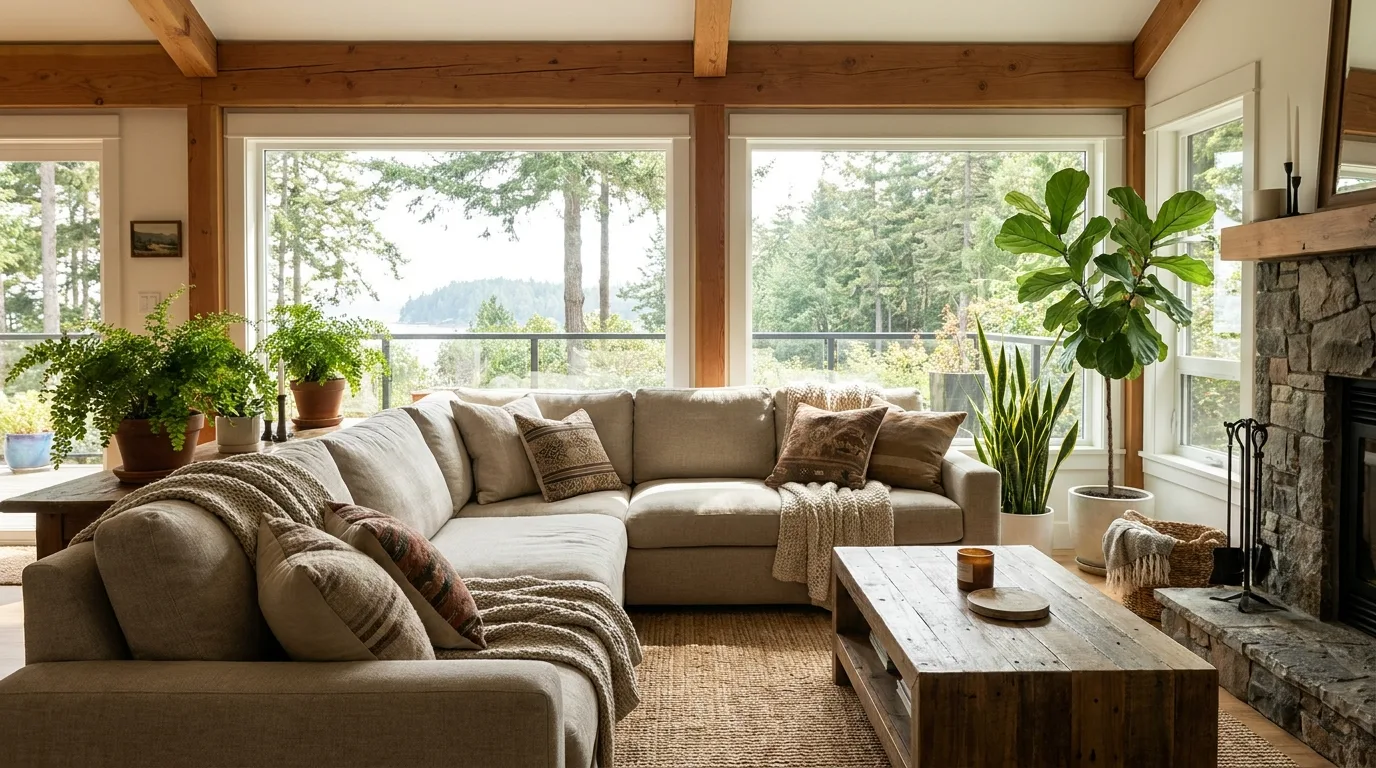
We have welcomed clients from across the city since 2013. Plenty of people on the West Side tell us they waited a long time before reaching out, often because life looked fine from the outside. If that sounds familiar, you are in good company, and no concern is too small or too tangled to talk through.
Getting to Know the West Side and Its Neighbourhoods
Locals use “the West Side” for the broad stretch of Vancouver south of False Creek and English Bay, running west from roughly Main Street toward Pacific Spirit Regional Park and the university. It is a mix of leafy residential blocks, small shopping villages and some of the city’s best-loved green space. Each pocket has its own rhythm, and the pressures people carry can look a little different from one to the next.
Dunbar and Southlands
Dunbar has a village feel, with shops and cafés along Dunbar Street and quick access to the forest trails of Pacific Spirit Regional Park. Families here often juggle school, activities and work schedules that leave little room to pause. Southlands, down toward the Fraser River, is quieter still, with horse stables and open space that can make a trip downtown feel like a real journey.
Kerrisdale and Arbutus Ridge
Kerrisdale’s shopping district along West 41st Avenue is a hub for errands, coffee and community life, and the nearby Arbutus Greenway gives walkers and cyclists a long, car-free route north. Many people in Kerrisdale and Arbutus Ridge are established professionals, retirees or parents of teens and young adults, and those life stages bring their own mix of pride, worry and change.
Shaughnessy
Shaughnessy is known for grand heritage homes, curving boulevards and quiet, tree-lined streets, with VanDusen Botanical Garden close by. Many residents value discretion, and they often want unhurried support they can access privately, without explaining themselves to neighbours or colleagues.
Oakridge, South Cambie and Marpole
Along the Cambie corridor, Oakridge and South Cambie are changing quickly, with new towers and the large Oakridge redevelopment reshaping the area around West 41st Avenue and Cambie Street. Further south, Marpole sits beside the Fraser River near the Arthur Laing Bridge. Thanks to the Canada Line, these are some of the best-connected parts of the West Side, and they are home to many families who bridge more than one culture.
If you live closer to the water, our guides for Kitsilano, Point Grey, Fairview and South Granville go into more detail about those parts of the West Side.
Getting Downtown to 470 Granville From the West Side
Our centre is at 470 Granville Street, in Suites 518 and 901, steps from Granville SkyTrain Station and a short walk from Waterfront Station. For most West Side residents the trip is simpler than it sounds, and many clients pair a session with a workday or errands downtown.
By Canada Line
- From Marpole, Oakridge or South Cambie, the Canada Line runs north along Cambie Street through stations such as Marine Drive, Langara-49th Avenue, Oakridge-41st Avenue and King Edward.
- Ride to Vancouver City Centre Station or Waterfront Station, then walk a few blocks to 470 Granville.
- From Kerrisdale, the R4 41st Ave RapidBus connects to the Canada Line at Oakridge-41st Avenue Station.
By Bus
- Several routes run north along Granville Street and other main streets toward downtown, which suits many people in Shaughnessy and Marpole.
- From Dunbar or Arbutus Ridge, plan on a transfer; the quickest combination depends on your block and the time of day.
- Check the TransLink trip planner for current routes before your first session.
Driving, Cycling and Arriving
- Drivers usually cross False Creek on the Granville Street, Burrard Street or Cambie Street bridges. Downtown parking is paid, so leave a few extra minutes to find a spot.
- Cyclists can ride the Arbutus Greenway north, then connect to the protected bike lanes on the Burrard Street Bridge.
- After hours, use buzzer #0518 or #0901 at the front door, depending on your therapist’s suite.
If travel feels like a barrier on a given week, you can switch to an online session instead. More on that below.
Common Reasons People Seek Counselling on the West Side
Every story is its own, and we never assume we know yours from a postal code. Still, certain themes come up often for people living in West Side neighbourhoods, and naming them can make it easier to reach out.
- Parenting pressure. Worry about teens, school expectations, screen time or a young adult who has moved back home can leave parents stretched thin and second-guessing themselves.
- Relationship strain. Long partnerships move through seasons, and couples sometimes realize they have become excellent co-managers of a household and distant partners.
- Caring for ageing parents. Many adults here feel sandwiched between children and parents who need more help, which can bring grief, guilt and exhaustion.
- Grief and loss. The death of a loved one, the end of a marriage or the loss of a long-held plan all deserve space.
- Life transitions. Retirement, an empty nest, a career change or selling a family home can shake your sense of who you are.
- Quiet anxiety and burnout. High-functioning people often hold it together at work and come apart in private.
- Cultural and generational gaps. In families that span more than one culture, parents and children may want different things, and each can feel misunderstood.
When you are worried about someone else
Sometimes the person reaching out is not the one struggling most. A West Side parent may be worried about an adult child, or a spouse may be watching a partner withdraw. Counselling for yourself can still help: it gives you a place to steady your own reactions, learn how to raise hard topics and decide what support you can realistically offer. If the person you care about is open to it, they can book their own free consult with us.
You do not need a crisis to begin. Many people come in simply because something feels off and they want to understand it before it grows.


Counselling Vancouver West Side: Online, In Person or a Mix of Both
One of the most practical questions for West Side clients is format. Thrive offers sessions in person in our downtown rooms and online through secure Zoom video, and you are welcome to mix the two as your schedule changes.
When in-person sessions tend to help
- You want a dedicated space away from home, where family members cannot overhear.
- You are coming for couples work and want to sit in the same room as your partner and therapist.
- You already work downtown or have regular reasons to be there.
- You simply find it easier to open up face to face.
When online sessions tend to help
- School pickups, caregiving or work travel make a round trip across False Creek hard to manage.
- You live toward Southlands or Marpole and would rather save the travel time.
- You are under the weather but still want to keep your appointment.
- You can talk from a quiet home office, a private room at work or even a parked car.
Making online sessions feel private at home
- Choose a room with a door and let household members know you need uninterrupted time.
- Use headphones so the conversation stays with you.
- Run a fan or white noise outside the door if walls are thin.
- Give yourself five quiet minutes afterward before rejoining family life.
Our in-person counselling page describes our rooms in more detail, and our online counselling guide explains how video sessions work.
Preparing for Your First Session
A little preparation can help your first appointment feel less daunting. None of this is required, but many West Side clients find it useful.
- Jot down a few notes. What made you reach out now? What have you already tried? What would feel different if things improved?
- Think about timing. Pick a slot when you will not be rushing back for a school pickup or a meeting, so you have room to settle afterward.
- Plan your route or your room. If you are coming in person, check your transit connection or parking the day before. If you are joining online, test your camera, microphone and internet connection.
- Bring your questions. It is completely fine to ask your therapist about their training, their approach and what sessions will look like.
- Expect mixed feelings. Relief, nerves and even a wish to cancel are all normal before a first session.
Afterward, notice how you feel over the next day or two. Some people feel lighter, some feel tired and some feel stirred up. All of it is useful information to bring to your next session.
How Counselling Works at Thrive
Starting therapy is easier when you know what to expect. Here is how the process usually unfolds for new West Side clients.
- Book a free 15 minute consult. Use our online booking page or call 604-227-0297. The consult is a relaxed conversation about what is going on and what you are hoping for.
- Choose your path. Ask us to match you with a therapist, or browse our team and choose your own.
- Meet for your first session. Your therapist will ask about your history, current pressures and goals, and you can ask anything you like about how they work.
- Build a collaborative plan. Together you decide what to focus on, how often to meet and whether sessions happen in person, online or both.
- Review as you go. Good therapy adjusts as you change, and you are always welcome to say what is and is not working.
The Thrive Formula: Regulate, Reveal, Reclaim
- Regulate: we help your nervous system settle so you can step out of fight, flight or collapse and feel resourced and safe enough to explore.
- Reveal: we look at how you adapted to stress and hard experiences, using approaches such as EMDR, Internal Family Systems, Emotion-Focused Therapy and CBT.
- Reclaim: insight becomes practical change, such as clearer needs, healthier boundaries and choices that come from who you really are.
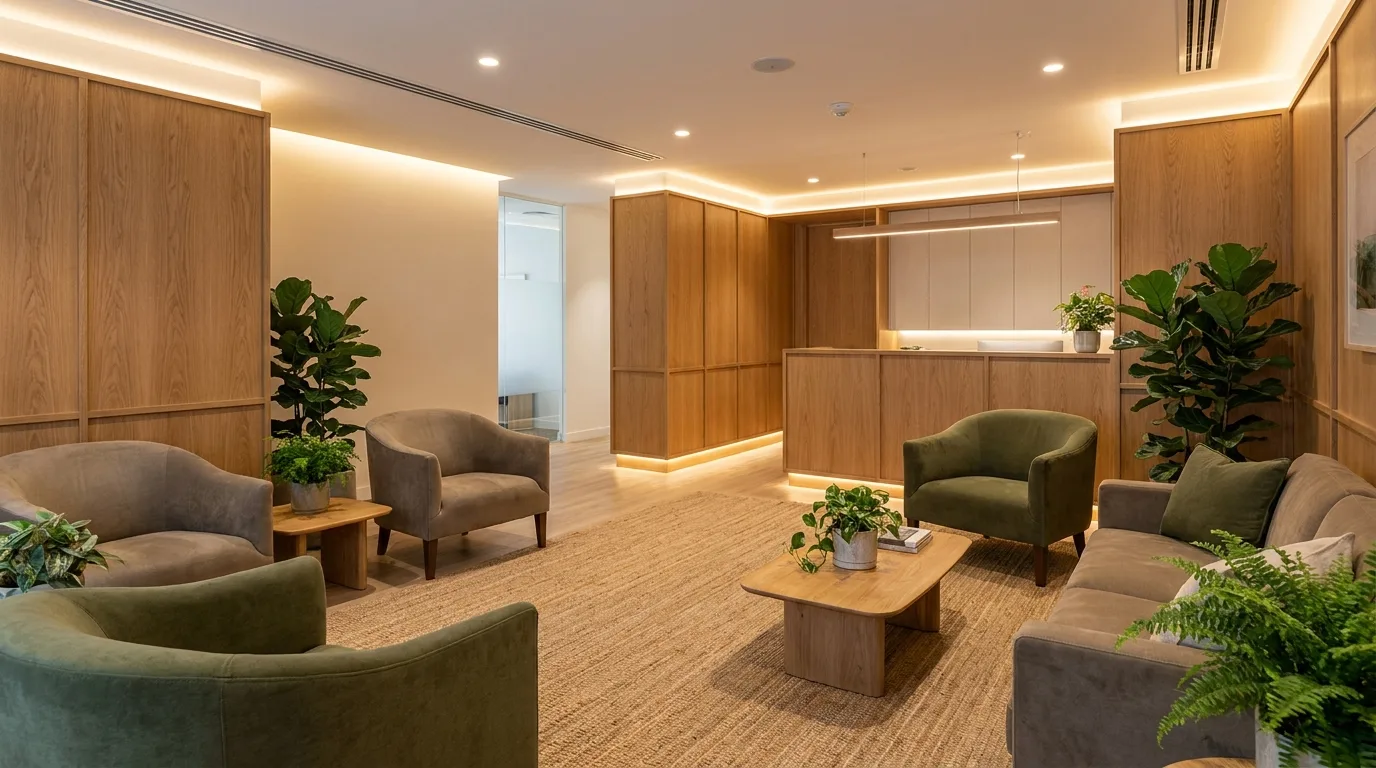
Our therapists practise together and support one another as a group, and the team is diverse in identities, values, world origins and backgrounds. That range matters for West Side clients, who come from many cultures and life experiences.
Choosing a Therapist Who Fits Your Life Stage
Research suggests the relationship between you and your therapist is one of the strongest predictors of whether counselling feels helpful, so it is worth taking a little time to choose well.
Questions to ask yourself
- Would I feel more at ease with a therapist of a particular gender, age or background?
- Do I want someone who works with couples and families, or mainly with individuals?
- Am I drawn to a talking approach, a body-based approach or a structured, skills-focused approach?
- Do I prefer in-person sessions, online sessions or a combination?
Questions to ask a therapist
- How do you usually work with concerns like mine?
- What might our first few sessions look like?
- How will we know if therapy is helping?
- What are your credentials, and could my extended health plan reimburse sessions with you?
Thrive offers couples work informed by approaches such as the Gottman Method, and our couples counselling page explains how it works. For personal concerns, our individual therapy page outlines what one-to-one sessions can look like.
Costs, Insurance and Low-Cost Options
Fees at Thrive vary by service, so we do not list prices here. Current rates are shown when you book and on our contact page, and we are glad to talk them through during your free consult.
- Extended health benefits: many plans reimburse counselling by registered counsellors. Check which designations your plan covers and how much it pays each year.
- Coverage through a partner: if you are covered under a spouse’s or partner’s plan, that coverage may also apply, so it is worth checking before couples sessions.
- Low-cost counselling: our low-cost counselling option offers sessions with intern counsellors under clinical supervision.
The BC Association of Clinical Counsellors explains what the Registered Clinical Counsellor designation means, which can help when you compare benefit plans.
Local Resources on the West Side and Across Vancouver
Counselling works best alongside the other supports in your life, and West Side residents can draw on a range of public resources.
- Vancouver Coastal Health: the regional health authority provides community mental health and substance use services. Visit Vancouver Coastal Health for current programs and how to access them.
- City of Vancouver: neighbourhood community centres offer fitness, arts and social programs that can ease isolation. Find listings on the City of Vancouver website.
- Green space: Pacific Spirit Regional Park, VanDusen Botanical Garden, Queen Elizabeth Park and the Arbutus Greenway are all good places for a steadying walk between sessions.
- HealthLink BC: call 811 for health information and advice.
- BC mental health support line: call 310-6789, with no area code needed.
If you are in crisis, call or text 988, or call 911 in an emergency.
More Counselling Vancouver West Side Questions
Do I have to come downtown for every session?
No. Some West Side clients start in person and move online during busy seasons, while others do the reverse. You can talk this through with your therapist at any point.
Is online counselling as helpful as meeting in person?
Research suggests video counselling can be as helpful as in-person sessions for many concerns. The best format is usually the one you can attend consistently and feel comfortable in.
What if I cannot name what is wrong?
That is very common. Your therapist can help you sort through what you are feeling, and a vague sense that something is off is a perfectly good reason to start.
Will anyone know I am in counselling?
Counselling is confidential, with limited legal and safety exceptions that your therapist will explain at the start. Online sessions can happen from wherever you feel most private.
Can I switch therapists if the fit is not right?
Yes. Fit matters, and it is okay to say so. Let us know, and we can talk about other therapists on the team who might suit you better.
How do I check whether my benefits cover counselling?
Look at your plan booklet or member portal for “counselling” or “clinical counsellor,” or call your provider. Ask which designations are covered and whether you need a referral.
Take the Next Step From the West Side
Wherever you are on the West Side, support is closer than it may feel. Contact us for a free 15 minute consult and we will help you find a therapist who fits, or call 604-227-0297 to talk with our team. You can meet us in person at 470 Granville Street or online from home, whichever makes your week easier.
Frequently Asked Questions
Which West Side neighbourhoods do you serve?
We serve the full Vancouver West Side, including Dunbar, Arbutus, Shaughnessy, Kerrisdale, and Oakridge.
Do you offer couples and family focused counselling?
Yes. We support couples and families as well as individuals, in person and online.
Ready When You Are
Book a free consult and we will help you find the right therapist, in person at 470 Granville Street or online.