
In-Person Counselling in Vancouver
Some things are easier to say in the same room as another person. At Thrive Downtown Counselling Centre, in-person therapy is what we are known for. Our centre on Granville Street was built for real, face to face connection, with spacious and one of a kind therapy rooms that help you settle, feel safe, and do the deeper work.
Why People Come to Us
Since 2013 we have welcomed people from across Vancouver into a space that feels human rather than clinical. Whether you are dealing with anxiety, burnout, relationship strain, trauma, or a season of feeling stuck, our team helps you slow down, understand what is happening, and move toward the life you actually want.
You can meet with an individual therapist, come as a couple, or explore specialized support such as EMDR, ADHD and neurodiversity, LGBTQ affirming care, sex therapy, addictions, or psychedelic integration. We will match you to a therapist who fits, or you can browse our team and choose your own. Our downtown location is easy to reach by SkyTrain, SeaBus, and bus, and we offer daytime and evening appointments to fit real schedules.
Get Started
Call 604-227-0297 or book a free consult and we will match you with a therapist who fits.
In-Person Counselling Vancouver: Why the Room Still Matters
In-person counselling Vancouver clients choose at Thrive begins with something simple and powerful: two people, one room, and the time to really listen. Online sessions have made therapy more accessible, and we offer them too, yet many people still find that sitting across from a therapist helps them open up, settle and go deeper. This guide explains what in-person therapy offers, what our rooms are like, what happens on your first visit, how to get here from across the city, and how to choose a therapist.
On this page
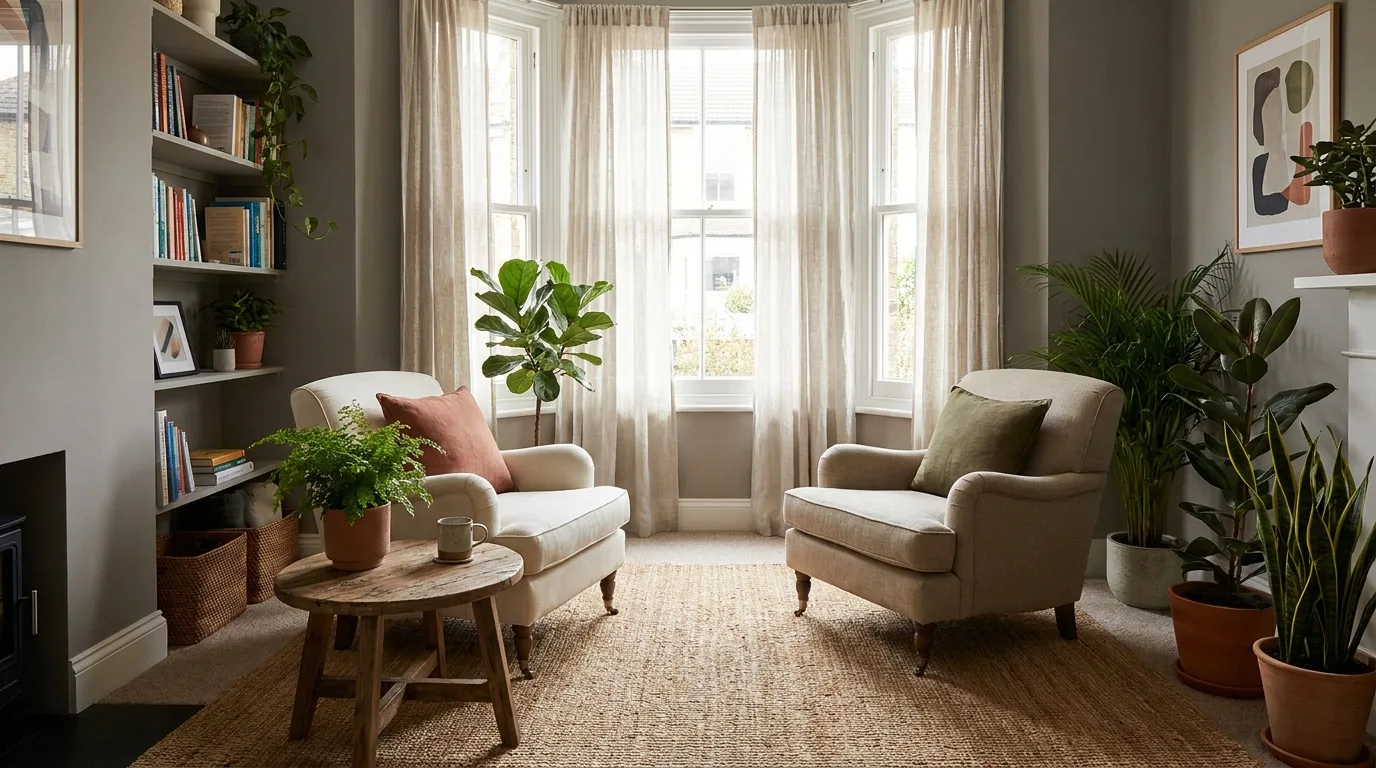
Our approach rests on Thrive’s core message: you make sense, you are not broken, and connection heals. Connection is easier to feel when someone is fully present with you, and that is what a dedicated therapy room is designed to support.
What In-Person Therapy Offers
Research suggests online counselling can be effective for many concerns, so choosing in-person therapy is not about one format being right and the other wrong. It is about what helps you. Here is what many clients value about in-person therapy.
- Presence you can feel: your therapist can read posture, breath and small shifts in expression, and you can sense their calm attention in return.
- Co-regulation: sitting with a steady person can help an anxious nervous system settle, sometimes more easily than through a screen.
- Fewer distractions: no notifications, household noise or temptation to check another tab.
- A clear threshold: travelling to a session and leaving afterward creates a natural beginning and end.
- Privacy from home: if you share your space with family, roommates or a partner, a separate room can make it easier to speak freely.
- Body-based work: approaches that involve noticing sensations, movement or bilateral stimulation can feel more natural in person.
Inside Our In-Person Counselling Rooms at 470 Granville
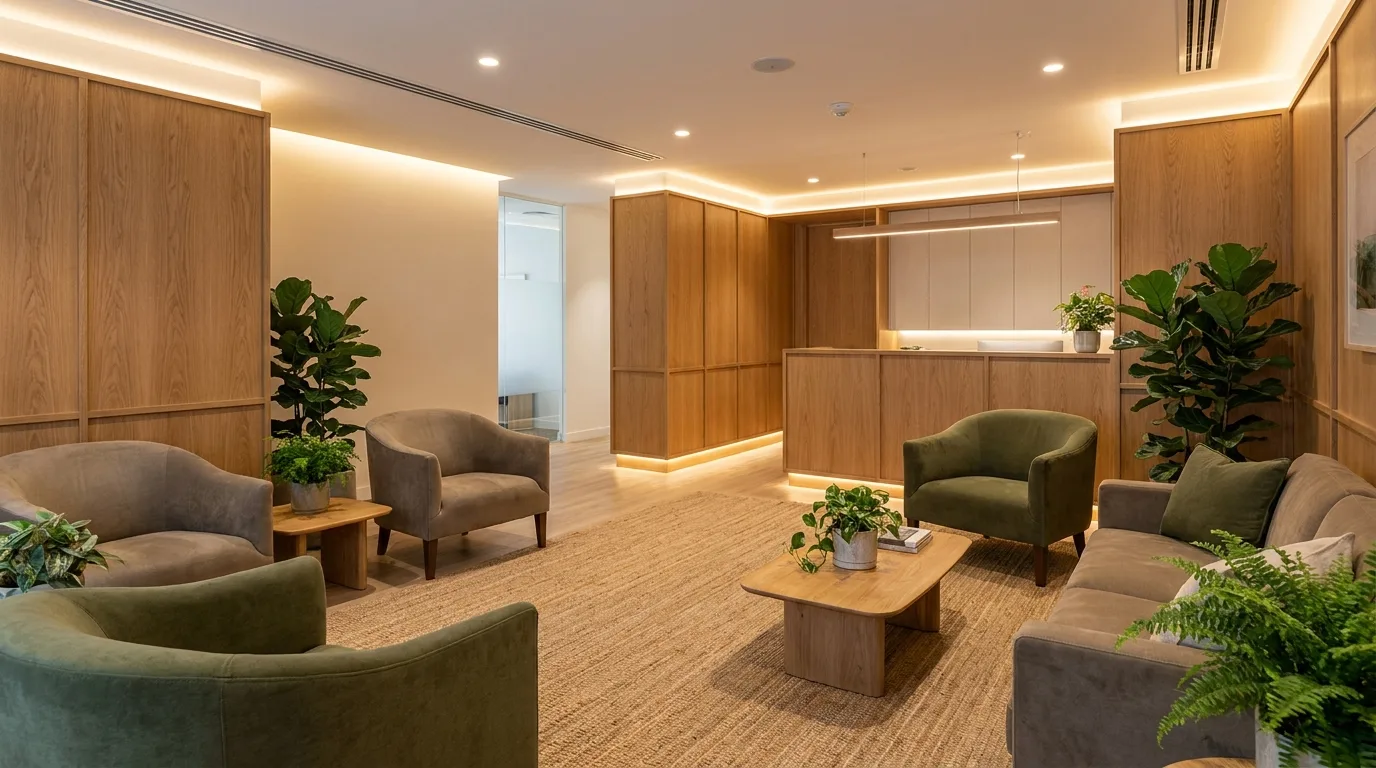
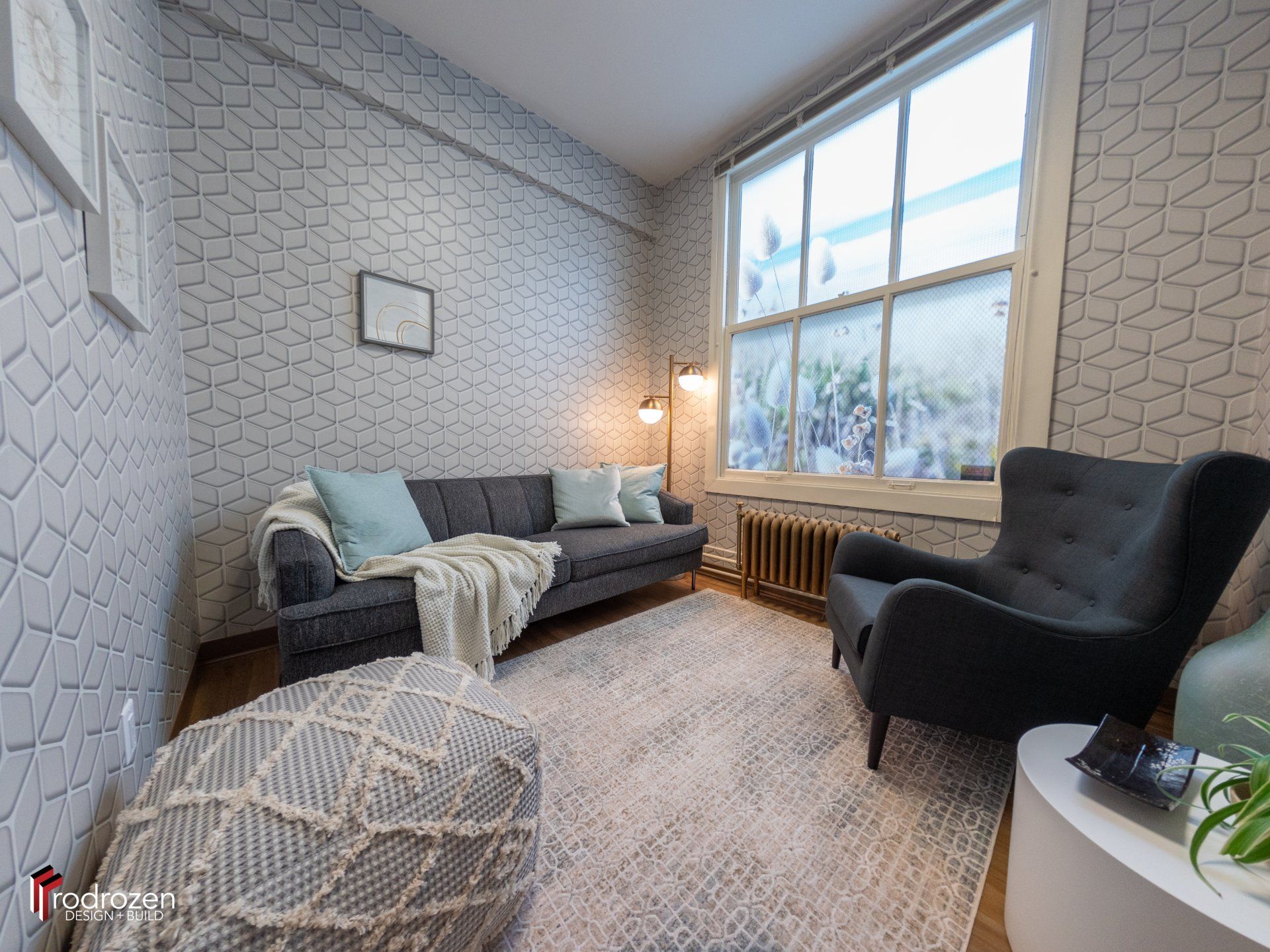
Thrive is located at 470 Granville Street in Suites 518 and 901. Our therapy rooms are spacious and one of a kind, each with its own character, and they were set up for real, face to face connection rather than a clinical feel.
- Arriving: during the day, head up to your therapist’s suite. After hours, use buzzer #0518 or #0901 at the front entrance.
- Waiting: you are welcome to arrive a few minutes early to catch your breath before your session begins.
- The room: expect comfortable seating and a quiet, private space where you can talk without being overheard.
- Accessibility: if you have mobility, sensory or other access needs, let us know before your first visit so we can talk through what will help.
Your First In-Person Counselling Vancouver Visit, Step by Step
- Book a free 15 minute consult. Use our new client appointment page or call 604-227-0297 to talk about what you are looking for.
- Get matched or choose. We can match you with a therapist, or you can browse our team and choose your own.
- Plan your trip. Check your route, give yourself extra time the first time, and note your therapist’s suite number.
- Arrive and settle. Take a few breaths before you go in. Nerves are normal.
- Talk and get to know each other. Your therapist will ask what brings you in, what you hope for and a little about your history. You can ask about their approach, too.
- Agree on a plan. Together you decide on focus and frequency, and whether to continue with in-person counselling only or mix in online sessions.
- Give yourself a soft landing. After your session, a short walk or a quiet coffee nearby can help you absorb what came up.
How In-Person Therapy Supports Different Approaches
Many of the methods our therapists use can be done online, and some clients find they come alive in the room. Here is how in-person therapy can support a few common approaches.
- EMDR: this approach uses bilateral stimulation, such as guided eye movements or tapping, while you briefly focus on a distressing memory. Some clients feel more grounded doing this with their therapist physically present.
- Somatic and body-aware work: noticing posture, breath and movement can be easier when your therapist can see your whole body, not just your face on a screen.
- Emotion-Focused Therapy and couples work: strong emotions between partners are easier to slow down and track when everyone shares one room.
- Internal Family Systems: the quiet, reflective focus of IFS can benefit from a space free of household distractions.
Neurodivergent clients
Some ADHD and autistic clients find in-person counselling helpful because the trip and the room create structure and separation from home. Others prefer online sessions where they control lighting, sound and seating. Both are valid. You are welcome to ask your therapist about adjustments in the room, such as breaks or seating changes, or to switch formats as needed.
Who Tends to Prefer In-Person Therapy
Everyone is different, but these are some of the people who often choose to meet face to face:
- Couples who want to sit together with their therapist, where tone and body language are easy to see. Learn more about our couples counselling.
- People doing trauma work, including EMDR therapy, who appreciate a contained, dedicated space.
- Anyone without privacy at home, whether because of family, roommates or thin walls.
- People with screen fatigue who spend all day on video calls.
- Those who value routine, for whom the regular trip becomes part of the healing rhythm.
When Online Might Suit You Better Than In-Person Therapy
We believe in offering both. Online sessions through secure Zoom video may be a better fit when:
- You live far from downtown or have limited time for travel.
- You are unwell, caring for someone or dealing with mobility challenges on a given day.
- You feel more relaxed and open in your own space.
- You are travelling within BC and want to keep your rhythm.
Many clients mix the two, choosing in-person counselling when they can and online sessions when life gets busy. Our online therapists page explains how video sessions work.
Getting Here From Across Vancouver
Our centre is steps from Granville SkyTrain Station on the Expo Line and a short walk from Waterfront Station, where the Canada Line, Expo Line, SeaBus and West Coast Express meet. The TransLink trip planner can map your route. Here is how the trip often looks from nearby neighbourhoods:
- West End: many clients simply walk east along Robson or Georgia Street.
- Yaletown: one Canada Line stop to Vancouver City Centre, or an easy walk.
- Mount Pleasant: two Expo Line stops from Main Street-Science World to Granville Station.
- Fairview: three Canada Line stops from Broadway-City Hall to Vancouver City Centre.
- South Granville: straight north along Granville Street and over the bridge.
- Kitsilano: buses along West 4th Avenue and Burrard Street, or a bike ride over the Burrard Street Bridge.
Cycling and walking
Protected bike lanes on routes such as the Burrard Street Bridge and Hornby Street make cycling downtown more comfortable, and many clients from nearby neighbourhoods walk. Arriving on foot or by bike can help you shake off the day and show up to in-person therapy a little more settled.
From farther afield
Because we sit beside the region’s main transit hub, in-person counselling is within reach from much of Metro Vancouver. The SeaBus connects North Vancouver, the Expo Line runs through Burnaby, and the Canada Line links Richmond with Waterfront Station.
For the full list of neighbourhoods and cities we serve, see our service areas page. Downtown parking is paid, so drivers should allow a few extra minutes.
Making the Most of In-Person Counselling
A few small habits can help each session feel more settled and productive.
- Keep a regular time: the same day and hour each week or two helps therapy become part of your routine.
- Arrive with a margin: a few spare minutes let your breathing slow before you begin.
- Silence your phone: give yourself the rare gift of an hour without interruptions.
- Jot down a note or two: anything that happened since last time that you want to remember to raise.
- Plan the hour after: avoid scheduling a high-stakes meeting straight after a session if you can.
Over time, many clients find that the walk to and from in-person therapy becomes part of the work itself, a stretch of time to think, feel and reset.
Services Available Through In-Person Counselling
Most of what Thrive offers can happen in our rooms, including:
- Individual counselling for anxiety, depression, burnout, grief and life transitions.
- Couples counselling for communication, conflict and reconnection.
- EMDR and other trauma-informed approaches.
- ADHD, autism and neurodiversity-affirming support.
- LGBTQIA+ affirming therapy.
- Sex therapy and support around intimacy.
- Addictions counselling.
- Psychedelic preparation and integration support. Thrive does not supply or administer substances, and because the legal status of psychedelics in Canada is evolving, follow Canadian law and medical guidance.
If you are in crisis, call or text 988, or call 911 in an emergency.
Choosing Your Therapist
Our therapists practise together and support one another as a group. The team is diverse in identities, views, values, world origins and backgrounds, and down to earth in style.
- Credentials: designations on our team include Registered Clinical Counsellor, registered through the BC Association of Clinical Counsellors, and Canadian Certified Counsellor, through the Canadian Counselling and Psychotherapy Association. Each therapist’s profile lists their own.
- Approach: look for methods that match your goals, such as EMDR, Internal Family Systems, Emotion-Focused Therapy or CBT.
- Fit: notice who you feel drawn to when reading profiles, and how you feel after your first session.
Questions to ask at your consult
- How do you usually work with someone in my situation?
- Do you see clients in person, online or both?
- What would you want me to know before our first session?
- How will we review whether therapy is helping?
Fees and Insurance
Fees vary by service, so prices are not listed here. Current rates are shown when you book and on our contact page.
- Many extended health plans reimburse counselling by registered counsellors, so check which designations your plan covers.
- Our low-cost counselling option offers in-person and online sessions with intern counsellors under clinical supervision.
A Note on Nerves Before Your First Visit
Walking into a new building to talk about personal things can feel daunting, even for people who are usually confident. That is completely understandable. Some clients worry about running into someone they know, crying in front of a stranger or not knowing what to say.
- Your therapist has sat with many people through first sessions and will guide the conversation.
- Silence is allowed. You do not need to fill every moment.
- Tears are welcome and completely normal.
- You set the pace for what you share and when.
Most people find the anticipation is harder than the session itself. By the end of the first hour, many feel some relief at having started.
Comfort, Privacy and Confidentiality
Feeling safe is the foundation of good therapy. What you share in session is confidential, with limited legal and safety exceptions that your therapist will explain at the start. If something about the space or the process feels uncomfortable, you are always welcome to say so, and your therapist will work with you to adjust.
For wider health and mental health services in the city, Vancouver Coastal Health offers public programs, and the BC mental health support line is available at 310-6789.

In-Person Counselling Vancouver FAQs
Can I switch between in-person and online sessions?
Yes. Many clients mix both formats depending on their week.
Can couples meet in person together?
Yes. In-person counselling is a popular choice for partners who want to talk face to face with their therapist.
What should I bring to my first in-person therapy session?
Just yourself. Some people like to bring a few notes about what they want to discuss, and a water bottle.
Is parking available nearby?
Downtown parking is paid, with a mix of street parking and parkades in the area. Many clients find transit or walking simpler.
What if I feel emotional after a session?
That is normal. Give yourself a little time before returning to work or home, and let your therapist know what you need.
Is in-person therapy more effective than online?
Research suggests both can work well for many concerns. The best format is the one you feel comfortable with and can attend consistently.
Visit Us at 470 Granville
If you are ready to sit down with someone who will really listen, book your free 15 minute consult or call 604-227-0297. We will help you find a therapist who fits, and we look forward to welcoming you for in-person counselling downtown.
Services Available at Our Vancouver Centre
Individual counselling, couples counselling, low-cost sessions with supervised interns, EMDR, ADHD and autism support, LGBTQ affirming therapy, sex therapy, addictions, and psychedelic integration.
Visiting Our Centre
We are located at 470 Granville Street, Suites 518 and 901, in downtown Vancouver, a short walk from the Granville and Waterfront transit stations. Daytime and evening appointments are available.
Related Pages
Individual Counselling. Couples Counselling. Our Service Areas.
Frequently Asked Questions
Where is Thrive Downtown located for in-person counselling?
Our centre is at 470 Granville Street, Suites 518 and 901, in downtown Vancouver, a short walk from the Granville and Waterfront transit stations.
How do I start in-person counselling in Vancouver?
Book a free consult and we will match you to a therapist, or browse our team and choose your own. You can meet in person at our Granville Street rooms or switch to online any time.
Ready When You Are
Book a free consult and we will help you find the right therapist, in person at 470 Granville Street or online.