
Counselling in North Vancouver
North Vancouver sits just across the inlet, close in distance but often busy with its own rhythm of work, family, and the outdoors. We make support easy to reach, whether you prefer to come in person or meet online.
Counselling North Vancouver residents can start either way: meet our team online from home, or ride the SeaBus to Waterfront Station and walk a few blocks to our rooms. Our full North Shore guide follows below.
Why People Come to Us
We help North Vancouver clients with anxiety, stress, relationships, trauma, and the search for a more grounded life. For in-person sessions, the SeaBus brings you to Waterfront Station, a short walk from our Granville Street rooms, which makes a downtown visit simpler than it sounds. If crossing the water does not fit your week, our online sessions give you the same therapists from the comfort of home. Either way, you get warm, skilled care matched to what you need.
Get Started
Call 604-227-0297 or book a free consult and we will match you with a therapist who fits.
Popular With North Vancouver Clients
Individual counselling, couples counselling, EMDR for trauma, and flexible online sessions that remove the commute.
Related Pages
Online Counselling across Metro Vancouver. Individual Counselling. In-Person Counselling in Vancouver.
Counselling North Vancouver: A Guide for Life Between Mountains and Sea
Counselling North Vancouver residents can rely on should fit a life shaped by trails, tides, bridges and busy family calendars. The North Shore offers extraordinary access to nature, and it also carries real pressures: long commutes, high costs, demanding careers and a culture that can prize looking strong and capable. This guide explores what often brings people here to counselling, how to choose between the SeaBus, the bridge and a video call, what to expect when you start with Thrive Downtown Counselling Centre, and where to find local support.
On this page
Our team has supported people since 2013 from 470 Granville Street, a short walk from Waterfront Station, and by secure video across British Columbia. We practise together, support each other and bring a wide range of identities and backgrounds to the work. Our mission is to remind you that you make sense, you are not broken, and connection heals.
Two Municipalities, One North Shore
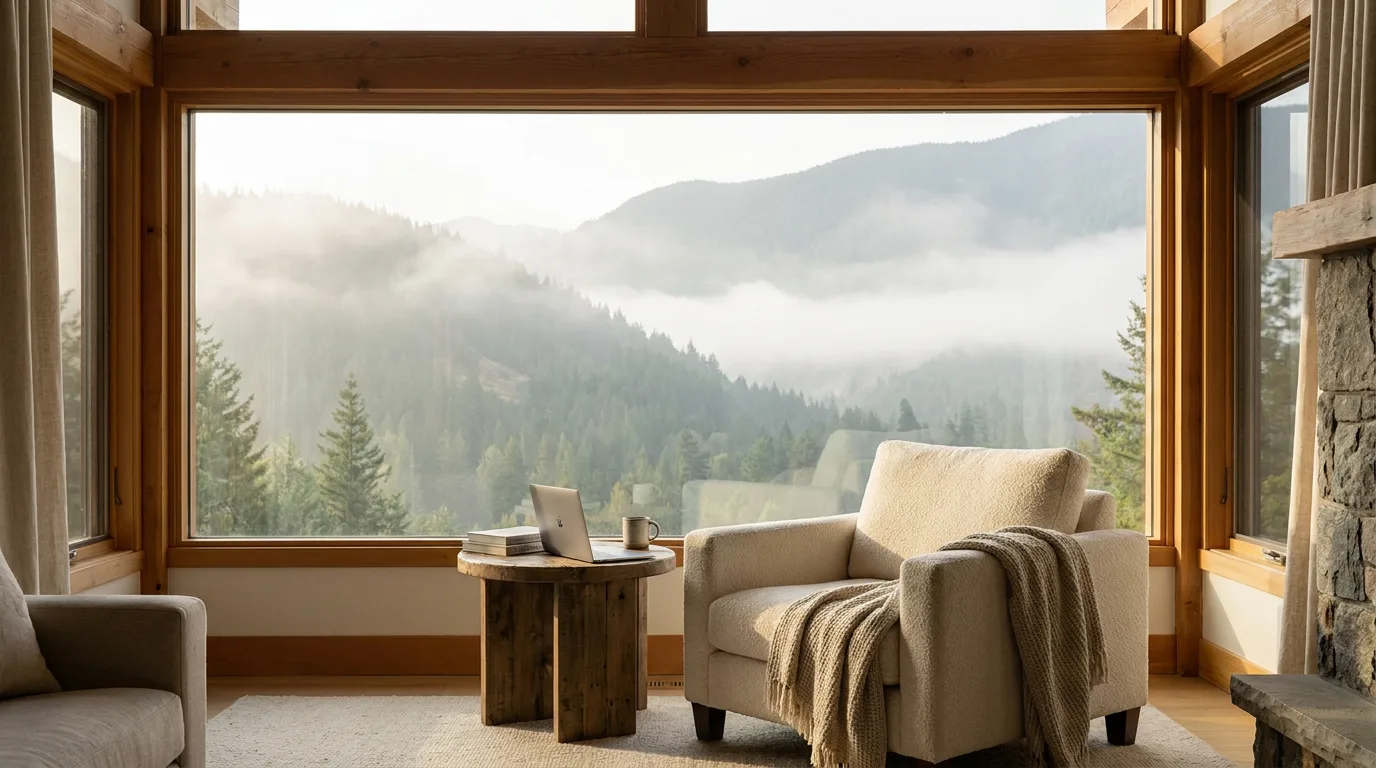
Many people are surprised to learn that North Vancouver is actually two separate municipalities. The City of North Vancouver centres on Lonsdale Avenue, Lower Lonsdale and the Shipyards, while the District of North Vancouver wraps around it, from Deep Cove and Seymour in the east, through Lynn Valley, to Edgemont and Capilano in the west. The North Shore is also the home of the Squamish and Tsleil-Waututh Nations.
Each area has its own feel:
- Lower Lonsdale and the Shipyards: condos, restaurants and the SeaBus terminal at Lonsdale Quay, popular with commuters and young professionals.
- Central and Upper Lonsdale: a mix of apartments and family homes along the city’s main spine.
- Lynn Valley: forested neighbourhoods near Lynn Canyon, home to many families.
- Deep Cove and Seymour: a quieter, water-and-trail lifestyle at the eastern edge, with longer trips to downtown.
- Edgemont and Capilano: established neighbourhoods near the Capilano River and Grouse Mountain.
Wherever you live on the North Shore, the same team is available online, and downtown is closer than it can feel on a rainy Tuesday.
Outdoor Culture and Mental Health
For many North Vancouver residents, the mountains are part of who they are. Trail running, mountain biking, skiing and paddling offer joy, community and a natural way to manage stress. Research suggests that time in nature and regular movement can support mood. Yet outdoor culture can also hide or complicate struggles.
- When movement becomes the only coping tool: If a hard run is the only way you can settle, an injury or busy season can leave you without support.
- Injury and identity: Being sidelined by a knee, a concussion or chronic pain can bring grief, irritability and a loss of self.
- Perfectionism: Pushing for the next personal best can slide into never feeling good enough.
- Adrenaline and avoidance: Intense activity can sometimes help people avoid feelings they are not ready to face.
- Close calls and loss: Accidents in the backcountry, or losing someone to one, can leave lasting trauma.
Counselling does not ask you to give up what you love. It helps you widen your range of ways to cope, so the mountains remain a source of joy rather than your only lifeline.

SeaBus, Bridge or Screen: Choosing How to Meet
North Vancouver has a unique advantage for in-person sessions: the SeaBus runs from Lonsdale Quay across Burrard Inlet to Waterfront Station, and our building at 470 Granville Street is a short walk from there.
By SeaBus
- Catch the SeaBus at Lonsdale Quay, which connects with many North Shore bus routes.
- The crossing is short and calm, a good moment to gather your thoughts before a session.
- From Waterfront Station, walk a few blocks along Granville Street to our door.
- On the way home, the water view can help a session settle.
By car or bus over the bridges
The Lions Gate Bridge and the Ironworkers Memorial Bridge are well known for congestion at peak times. If you drive, leave generous buffer time and plan for downtown parking. Some bus routes also cross the Lions Gate into downtown.
Online from home
Secure Zoom sessions let you skip the crossing entirely. Many North Shore clients use video on busy or stormy weeks and come downtown when the timing works. After hours, in-person clients can use buzzer #0518 or #0901, depending on their counsellor’s suite. Check TransLink for current SeaBus and bus schedules.
Rain, Darkness and Winter Mood
The North Shore is known for its rain, and winter days here can feel short and grey. Many people notice their energy, motivation and mood dip from late fall through early spring.
- Protect your mornings. Getting outside in daylight early in the day, even under cloud, helps many people feel more alert.
- Keep moving, gently. A short walk on a covered or forested trail counts.
- Hold onto routine. Regular sleep, meals and social plans give structure when motivation fades.
- Stay connected. It is tempting to hibernate, but isolation tends to deepen low mood.
- Talk to your doctor if low mood lasts, or if you want to explore options such as light therapy.
Counselling can help you tell the difference between a seasonal slump and something deeper, and build a plan that carries you through the darker months.
Commuters and Remote Workers
North Vancouver residents often split into two groups: people who cross the water every day, and people who rarely leave the North Shore because they work from home. Both patterns bring their own strain.
- Daily crossers can lose hours each week to bridge traffic, arriving home drained and irritable.
- Remote workers may enjoy the flexibility but struggle with isolation, blurred boundaries and days that never quite end.
- Hybrid workers juggle both, and may find it hard to build steady routines.
Counselling can help you notice how your work pattern affects your mood and relationships, and experiment with boundaries, rituals and connections that help. For many North Vancouver commuters, booking online sessions on work-from-home days is the simplest way to stay consistent.
Pressures on North Shore Families
North Vancouver is widely seen as a great place to raise children, and many families work hard to make it possible. That effort can come with a cost.
- Financial strain: High housing costs can mean long work hours, second jobs or living farther from extended family.
- High expectations: Children and teens may feel pressure to excel in school, sport and activities, and parents may feel judged on how their kids are doing.
- Parenting teens: Anxiety, social media, substance use and identity questions can all surface in the teen years.
- Sandwich generation: Many adults care for aging parents while still raising children.
- Relationship drift: Busy couples can become efficient co-managers and lose sight of each other.
Our couples counselling draws on the Gottman Method and Emotion-Focused Therapy, and individual sessions can help parents manage stress and set boundaries that benefit the whole household.
Common Reasons People Reach Out
- Anxiety, overthinking and trouble sleeping
- Low mood, especially through the long, rainy North Shore winters
- Burnout in demanding careers
- Relationship conflict or disconnection
- Grief and major life transitions
- Trauma, including accidents and difficult childhood experiences
- ADHD and neurodivergence in adults
- Substance use that has started to feel like a problem
You do not need a diagnosis or a crisis to begin. Many North Vancouver residents start simply because they want to feel more like themselves.
How Counselling North Vancouver Clients Start at Thrive
- Book a free 15 minute consult through our appointment page or by calling 604-227-0297.
- Get matched or choose. Share what you need through our contact form and we will suggest a counsellor, or browse our team yourself.
- Meet for your first session online or in person, and talk through what brings you in and what you hope might shift.
- Shape a plan together covering focus, pace and frequency, revisited as you go.
The Thrive Formula
- Regulate: settle your nervous system and build safety and resources.
- Reveal: understand how you adapted to stress and trauma, using approaches such as EMDR, Internal Family Systems, Emotion-Focused Therapy and CBT.
- Reclaim: turn insight into lasting, practical change in your needs, boundaries and choices.
EMDR and Trauma Support

EMDR is one of the approaches people in North Vancouver often ask about. EMDR, or Eye Movement Desensitization and Reprocessing, uses bilateral stimulation such as eye movements or tapping while you focus on a distressing memory, helping your brain process it so it feels less overwhelming. Research suggests it can be helpful for trauma and some other concerns. EMDR Canada offers more background.
At Thrive, EMDR begins with preparation and stabilization, so you have ways to feel grounded before any processing starts. Sessions can happen online or in person depending on your counsellor. Learn more on our EMDR therapy page.
If you are in crisis, call or text 988, or call 911 in an emergency.
Students at Capilano University and Young Adults
Capilano University, located in the District of North Vancouver, draws students from across the North Shore and beyond. Many young adults here also commute into Vancouver for school or work, or live at home longer than they expected because of housing costs.
- Academic and performance pressure
- Uncertainty about career direction
- Living with parents while trying to build independence
- Dating, friendships and identity questions
- Anxiety about the future and the cost of living
Registered BC post-secondary students can also use Here2Talk for free single-session support. Ongoing counselling at Thrive, online or across the inlet, can offer more continuity, and our low-cost option may help with affordability.
Choosing a Counsellor Who Fits
- Experience: Look for someone who works regularly with your concern, whether trauma, anxiety, relationships or ADHD.
- Approach: Consider whether you want someone exploratory, practical or a mix of both.
- Training: Designations you may see include Registered Clinical Counsellor (RCC), through the BC Association of Clinical Counsellors, and Canadian Certified Counsellor (CCC).
- Format: Check whether they offer online sessions, in-person sessions or both.
- Connection: After the free consult, notice whether you felt heard and at ease.
If the first match does not feel right, tell us. Helping North Vancouver clients find a better fit is part of what we do.
Building Connection Close to Home
At Thrive we often say that connection heals. Counselling is one form of connection, and it tends to work best alongside relationships and routines in your own community. Around North Vancouver, that might look like:
- Joining a running, hiking or paddling group that values company over speed
- Spending a quiet hour at the North Vancouver City Library or a District branch
- Browsing the Shipyards on a summer evening and chatting with neighbours
- Volunteering with a local trail, arts or community organization
- Reaching out to one friend you have lost touch with
If connection feels hard, that is something counselling can help with too. Social anxiety, past hurts and simple exhaustion can all make reaching out feel risky, and small steps count.
Local Resources on the North Shore
North Vancouver is served by Vancouver Coastal Health, which provides public mental health and substance use services and operates Lions Gate Hospital.
- City programs: The City of North Vancouver lists recreation and community programs, and the District offers its own.
- Get outside: Walk the Spirit Trail, explore Lynn Canyon Park or take in the waterfront at the Shipyards.
- 8-1-1: HealthLink BC for health advice and service navigation.
- 310-6789: The BC mental health support line, no area code needed.
- 988: Call or text for suicide crisis support, any time.
Fees, Coverage and Affordable Options
- Fees vary by service and counsellor, and current rates are shown when you book or on our contact page.
- Many extended health plans reimburse counselling by registered counsellors. Check whether yours accepts designations such as RCC or CCC.
- Our low-cost counselling option offers sessions with supervised intern counsellors.
- Online sessions and the SeaBus both help you avoid bridge traffic and downtown parking.
Counselling North Vancouver FAQ
Is Thrive located in North Vancouver?
No. Our centre is at 470 Granville Street in downtown Vancouver. North Shore clients meet us online or cross by SeaBus.
Do you work with people from West Vancouver too?
Yes. West Vancouver residents are welcome online or in person. See our Metro Vancouver counselling page for more.
Can I bring up sport or injury-related struggles?
Absolutely. Losing an activity that shapes your identity can be a real loss, and counselling can help.
Can couples meet online from North Vancouver?
Yes. Couples can join from one private room, or cross the inlet together for an in-person session.
Do you support first responders and people in high stress jobs?
Yes. Our first responders and high stress occupations page explains how we help people in demanding roles.
How often do people usually meet?
Many start weekly or every second week and space sessions out as things settle. You and your counsellor decide together.
What if I am not sure counselling is right for me?
A free consult is a low-pressure way to ask questions and see how it feels.
Take the First Step From the North Shore
Whether you are in Lower Lonsdale, Lynn Valley or Deep Cove, support can begin with one short conversation. Book a free 15 minute consult or call 604-227-0297, and we will help you find a counsellor who fits.
Frequently Asked Questions
How do I reach your centre from North Vancouver?
Take the SeaBus to Waterfront Station, then walk a few minutes to 470 Granville Street. Online sessions are also available.
Is online counselling a good option for North Vancouver?
Yes. Many North Vancouver clients choose online sessions to skip the commute while keeping the same therapist.
Ready When You Are
Book a free consult and we will help you find the right therapist, in person at 470 Granville Street or online.