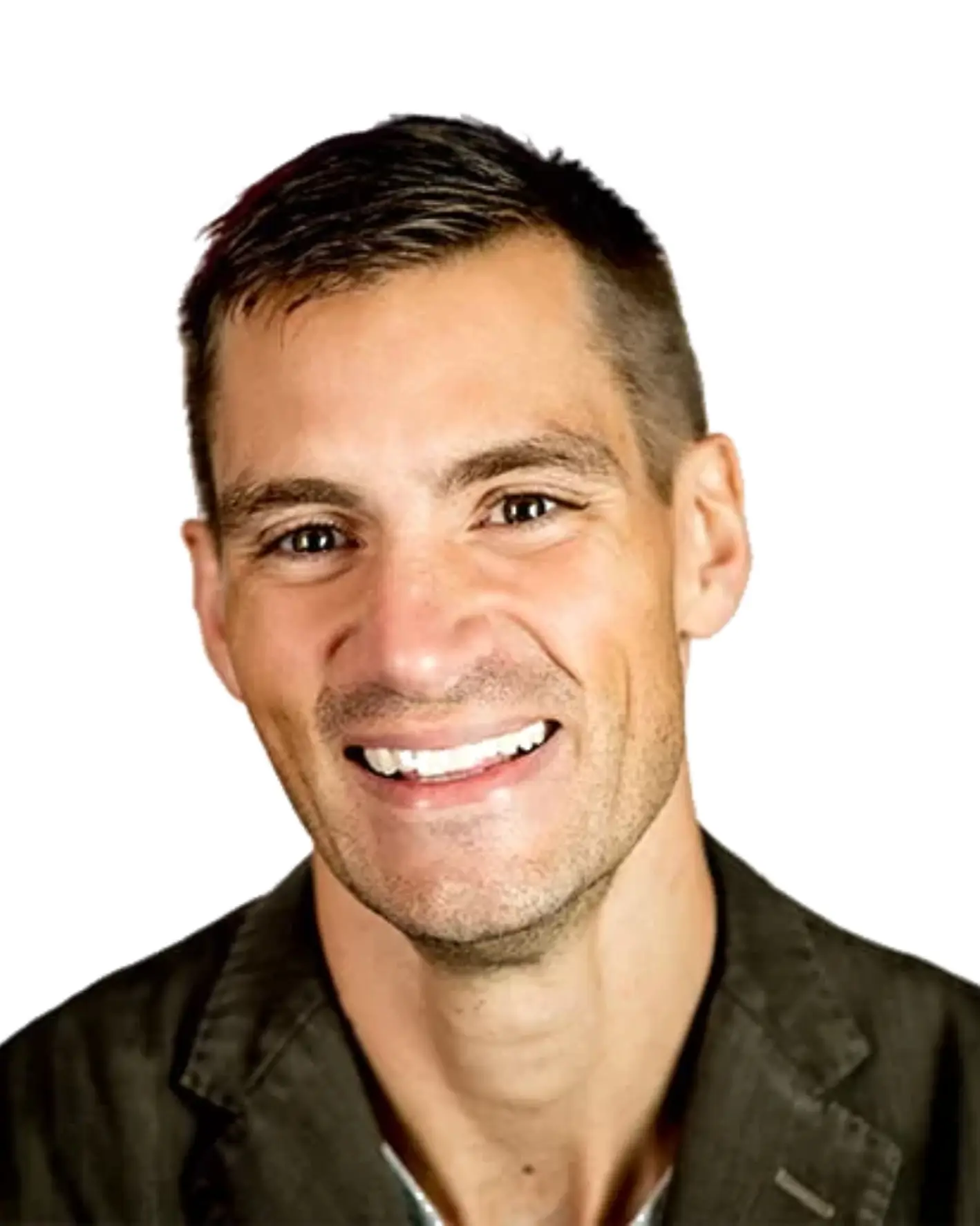
Cam Wharram
Master of Arts
Registered Clinical Counsellor
The curious paradox is that when I accept myself just as I am, then I can change.
CARL ROGERS

Specialties
- Depression and anxiety
- Grief and loss
- Inner child work
- Self-identity and self-esteem
- Psychedelic integration
- Relationships
Approaches
- Person-Centered Therapy
- Mindfulness and self-compassion
- Internal Family Systems
- Trauma-Informed Parts Work
- Psychedelic planning and integration
Formal Trainings
- ACT
- DBT
- mPEAK
Qualifications
- MA, Counselling Psychology, Yorkville University
- BA Psychology, TRU
Credentials and Licensing
- RCC #16700 of the BCACC
Languages
- English
Are you tired of feeling like you’re stuck in your head? Does it seem like stress and anxiety are preventing you from living your most meaningful life? What is it that wrestling with your own mind has cost you?
If you feel as though something needs to change, but aren’t sure exactly what, or how, I would be honoured to discuss whether we are a good fit to walk through that journey together. If we both agree that it’s a match, you can expect our sessions’ progression to go something like the following:
We will begin by cultivating a trusting space. Only then will we begin to will leverage proven psychological and mindfulness strategies that you will use to take the (often uncomfortable) actions that will move your life in a direction that aligns with your values.
Ultimately, my responsibility is to work with you as you continue to build a meaningful life built on fulfilling relationships with your loved-ones, career, and especially inner thoughts and feelings.
COUNSELLING
Individual & Couples Counselling
Cam Wharram: Getting Out of Your Head and Into Your Life
Cam Wharram is a Registered Clinical Counsellor at Thrive Downtown who helps people who feel stuck in their heads build lives guided by their values instead of their worries. If you have been wrestling with your own mind and wondering what it has cost you, this guide walks through how Cam works, the tools behind each stage, and how to find out whether you are a good fit.
On this page

Acceptance as the Starting Point for Change
Cam’s page opens with the same Carl Rogers line that many counsellors treasure: when I accept myself just as I am, then I can change. For someone caught in overthinking, this can sound backwards. Surely you need to fix the anxious thoughts first? Cam’s approach suggests the opposite. Fighting your mind tends to give it more power. Making peace with what is there frees up energy for what you actually want to do.
Why self-acceptance is not the same as giving up
- Acceptance means seeing your situation clearly, without adding shame on top
- It creates enough safety to try new, sometimes uncomfortable actions
- It makes setbacks easier to learn from, because they are no longer proof of failure
- It lets you respond to yourself the way you would to a friend who is struggling
Signs You May Be Stuck in Your Head
Cam’s page asks a pointed question: what has wrestling with your own mind cost you? Overthinking often hides behind productivity or responsibility, so it can take a while to notice how much space it occupies.
- Replaying conversations long after they end, searching for what you said wrong
- Planning for every possible outcome, yet still feeling unprepared
- Putting off decisions until you feel completely certain
- Lying awake with a mind that will not switch off
- Missing moments with people you love because you are elsewhere in your thoughts
- Knowing what you value but rarely feeling free enough to act on it
None of this means something is wrong with you. A busy, protective mind is often trying to keep you safe. Counselling helps it learn that it can rest sometimes, and that you can handle more than it fears.
How Sessions with Cam Wharram Progress
Cam describes a clear progression on this page, which many clients find reassuring. Knowing roughly where the work is headed can make it easier to begin.
- Cultivating a trusting space. Nothing else happens until the relationship feels safe enough. Person-centred listening and warmth come first.
- Understanding what is keeping you stuck. Together you explore the thoughts, feelings and parts of you that drive avoidance, rumination or self-criticism.
- Learning practical strategies. Cam draws on psychological and mindfulness tools from ACT, DBT and self-compassion practice.
- Taking values-based action. You begin taking the often uncomfortable steps that move your life in the direction you care about.
- Building a meaningful life. The long-term focus is on fulfilling relationships, work that matters and a kinder relationship with your own thoughts and feelings.
This is not a rigid program. Pacing adapts to you, and you can revisit earlier stages whenever life shifts.
Acceptance and Commitment Therapy with Cam Wharram
ACT is one of Cam’s formal trainings, and it speaks directly to the feeling of being stuck in your head. ACT does not try to win arguments with anxious thoughts. It helps you change your relationship with them so they have less control over what you do. A popular way to summarize it is in three phrases.
Open up, be present, do what matters
- Open up: make room for uncomfortable feelings and unhook from unhelpful thoughts, rather than trying to eliminate them.
- Be present: bring attention back to the here and now, where life actually happens.
- Do what matters: clarify your values and take steps guided by them, even when fear or doubt comes along for the ride.
Unhooking from sticky thoughts
One simple ACT skill is naming the story. When a familiar thought appears, like “everyone will see I am a fraud”, you might say to yourself, “Ah, there is the fraud story again.” You are not arguing with it or believing it. You are simply noticing it for what it is: a well-worn pattern your mind produces under stress. With practice, many people find sticky thoughts lose some of their pull.
Values versus goals
In ACT, a goal is something you can tick off, like finishing a degree. A value is a direction you keep moving in, like learning, connection or courage. When anxiety narrows your world, reconnecting with values can make uncomfortable actions feel worth taking, because you know what they are for.
Why uncomfortable action matters
Cam is honest that the actions which move your life forward are often uncomfortable. Avoidance brings short-term relief but tends to shrink your world over time. Each small step toward what matters, such as speaking up in a meeting, making a phone call you have been dreading or setting a boundary, teaches your nervous system that you can tolerate discomfort. Over time, what once felt impossible can become ordinary.
DBT Skills and Wise Mind
Cam also has formal training in Dialectical Behaviour Therapy. DBT balances acceptance and change, which fits naturally with Cam’s person-centred and ACT foundations. The Behavioral Tech site offers background on the approach.
DBT ideas you might explore
- Wise mind: the place where emotional mind and reasonable mind overlap, so decisions honour both feeling and logic.
- Opposite action: gently doing the opposite of what an unhelpful emotion urges, such as approaching instead of avoiding when fear is not justified by the facts.
- Checking the facts: asking whether the intensity of an emotion fits the actual situation.
- Self-soothing: using the senses to calm your body during intense moments.
DBT and ACT work well together. ACT helps you clarify where you want to go and loosen the grip of unhelpful thoughts, while DBT offers concrete skills for moments when emotions surge too high to think clearly. Having both can mean you are less likely to be knocked off course by a hard day.
Mindfulness, Self-Compassion and mPEAK
Mindfulness and self-compassion are central to Cam Wharram’s approach. Mindfulness helps you notice thoughts as passing events instead of commands. Self-compassion, as described by researcher Kristin Neff, has three parts: kindness toward yourself, recognizing that struggle is part of shared human experience, and mindful awareness of pain without exaggerating or ignoring it.
A short self-compassion pause
When you notice yourself spiralling, try placing a hand on your chest and silently saying three things: “This is a hard moment. Struggle is part of being human. May I be kind to myself right now.” Many people find this small practice interrupts harsh self-talk and softens the body’s stress response.
What is mPEAK?
mPEAK, which stands for Mindful Performance Enhancement, Awareness and Knowledge, is a mindfulness program developed at the UC San Diego Center for Mindfulness for people in demanding, high-performance settings. Cam lists it among formal trainings. Its ideas can help with perfectionism, performance pressure and the habit of treating every mistake as a catastrophe, turning mindfulness into a practical tool for work, sport and creative pursuits.


Parts Work and Inner Child Healing
Cam uses Internal Family Systems and trauma-informed parts work, and lists inner child work among specialties. Parts work can be especially helpful for overthinkers, because it turns a noisy, tangled mind into a set of understandable voices.
- The worrier who tries to prevent every possible problem
- The critic who pushes you to do better, often harshly
- The avoider who steers you away from anything uncomfortable
- The younger part who still carries old hurt, fear or loneliness
Rather than silencing any of them, parts work gets curious about what each is trying to do for you. Inner child work then offers younger parts the reassurance and care they needed at the time. Many people find that when these parts feel heard, the mental noise quiets on its own.
Who Cam Wharram Supports
Depression and anxiety
If stress and anxiety are keeping you from a meaningful life, or depression has flattened your motivation, Cam’s blend of acceptance, mindfulness and values-based action can help you move forward even before you feel ready.
Grief and loss
Grief can pull you deep into your thoughts, replaying what happened or what might have been. Counselling offers a place to feel the loss fully while slowly reconnecting with what still matters to you.
There is no correct way or timeline to grieve. Mindfulness can help you ride the waves when they come, and self-compassion can soften the guilt or regret that often travels with loss.
Self-identity and self-esteem
Low self-esteem often shows up as a constant inner commentary about what you should have done better. Cam’s focus on self-compassion offers a different starting point: treating yourself as someone worth caring for while you grow.
Many people have lived by other people’s expectations for so long that they are not sure who they are. Self-compassion and values work can help you build self-esteem from the inside, based on who you are rather than what you achieve.
Career and meaningful work
The page names career as part of a meaningful life. Work can be a source of purpose, but also of pressure, comparison and burnout. Counselling can help you clarify what you want your work to stand for, handle performance anxiety and set limits that protect your wellbeing.
Relationships
Cam’s page names fulfilling relationships with loved ones as part of a meaningful life, and lists both individual and couples counselling. Relationship work can include communication, boundaries and understanding how each person’s parts react under stress. See Thrive’s couples counselling page to learn more.
Psychedelic planning and integration
Cam lists psychedelic planning and integration as both a specialty and an approach. At Thrive, this means preparation and integration support: thinking through intentions, safety and support beforehand, and making sense of an experience afterwards. Thrive does not supply or administer illegal substances. The legal status of psychedelics in Canada is evolving, so follow Canadian law and medical guidance. Meet Thrive’s psychedelic integration team. If you are in crisis, call or text 988, or call 911 in an emergency.
Starting Counselling with Cam Wharram at Thrive
- Free 15 minute consult: Cam’s page invites a conversation about whether you are a good fit. Book your consult and ask for Cam, or use the contact form to be matched.
- First session: the focus is building trust and understanding what you would like to change.
- Collaborative plan: together you decide how ACT, DBT skills, mindfulness and parts work fit your goals.
- Ongoing sessions: Thrive offers sessions in person at 470 Granville St. in downtown Vancouver and online by secure video. Ask at your consult which options Cam currently offers.
What the first few sessions may look like
Early sessions usually focus on getting to know you: what brought you in, what you have already tried, and what a more meaningful life would look like in concrete terms. Cam may ask about the situations where you feel most stuck, and about the moments, however small, when you feel more like yourself. From there, the first practices are chosen to be simple and doable, so you can experience some early momentum without feeling overwhelmed.
The Thrive Formula in Cam’s work
- Regulate: mindfulness and self-compassion to quiet an overactive mind.
- Reveal: parts work and inner child work to understand why you get stuck.
- Reclaim: values-based action toward a meaningful life.
Fees vary by service, and current rates are shown when booking or on the contact page. Many extended health plans reimburse counselling with a Registered Clinical Counsellor, so check your plan. You can also browse Thrive’s full team.
Cam Wharram FAQ
Is Cam Wharram a registered counsellor?
Yes. Cam is RCC #16700 with the BC Association of Clinical Counsellors, with an MA in Counselling Psychology from Yorkville University and a BA in Psychology from TRU.
Does Cam work with couples?
Yes. This page lists individual and couples counselling.
Will counselling with Cam include homework?
Often, yes, in the form of small practices or actions between sessions. You decide together what is realistic for your life.
What if taking action feels too scary?
That is normal. Cam’s approach builds trust first, and actions start small. Discomfort is expected, but you are never pushed faster than you can manage.
I am a high achiever. Is this for me?
It can be. mPEAK training and ACT are well suited to people whose drive has tipped into perfectionism, burnout or constant self-evaluation.
Can Cam help me if I have tried mindfulness before and it did not work?
Yes. Many people try mindfulness apps and feel they are doing it wrong. In counselling, practices are tailored to you, kept short and connected to real situations, which often makes them easier to use.
How do I know if we are a good fit?
Book the free consult. Cam’s page describes this as a chance for both of you to decide whether it is a match.
Start Moving Toward What Matters with Cam Wharram
Something needs to change, and you do not have to know exactly what yet. You make sense, you are not broken, and connection heals. Book your free 15 minute consult to talk with Cam Wharram, or call Thrive at 604-227-0297.